

Speaker Lineup
From world-changing scientists to science-inspired film directors, performers, authors and artists, meet the 2026 Texas Science Festival presenters.

Scott Aaronson
Professor
Department of Computer Science, UT Austin
Scott Aaronson is the David J. Bruton Jr. Centennial Professor of Computer Science at The University of Texas at Austin, where he is director of its Quantum Information Center and part of the Texas Quantum Institute. Aaronson’s research focuses on the capabilities and limits of quantum computers and more generally on computational complexity and its relationship to physics. Previously, he was on the faculty at the Massachusetts Institute of Technology. He studied at Cornell and University of California, Berkeley, and did postdoctoral work at the Institute for Advanced Study as well as the University of Waterloo. His first book, Quantum Computing Since Democritus, was published in 2013 by Cambridge University Press. Aaronson has written about quantum computing for Scientific American and The New York Times, and writes a popular blog. He’s received the National Science Foundation’s Alan T. Waterman Award, the ACM Prize in Computing, a United States PECASE Award and MIT’s Junior Bose Award for Excellence in Teaching.
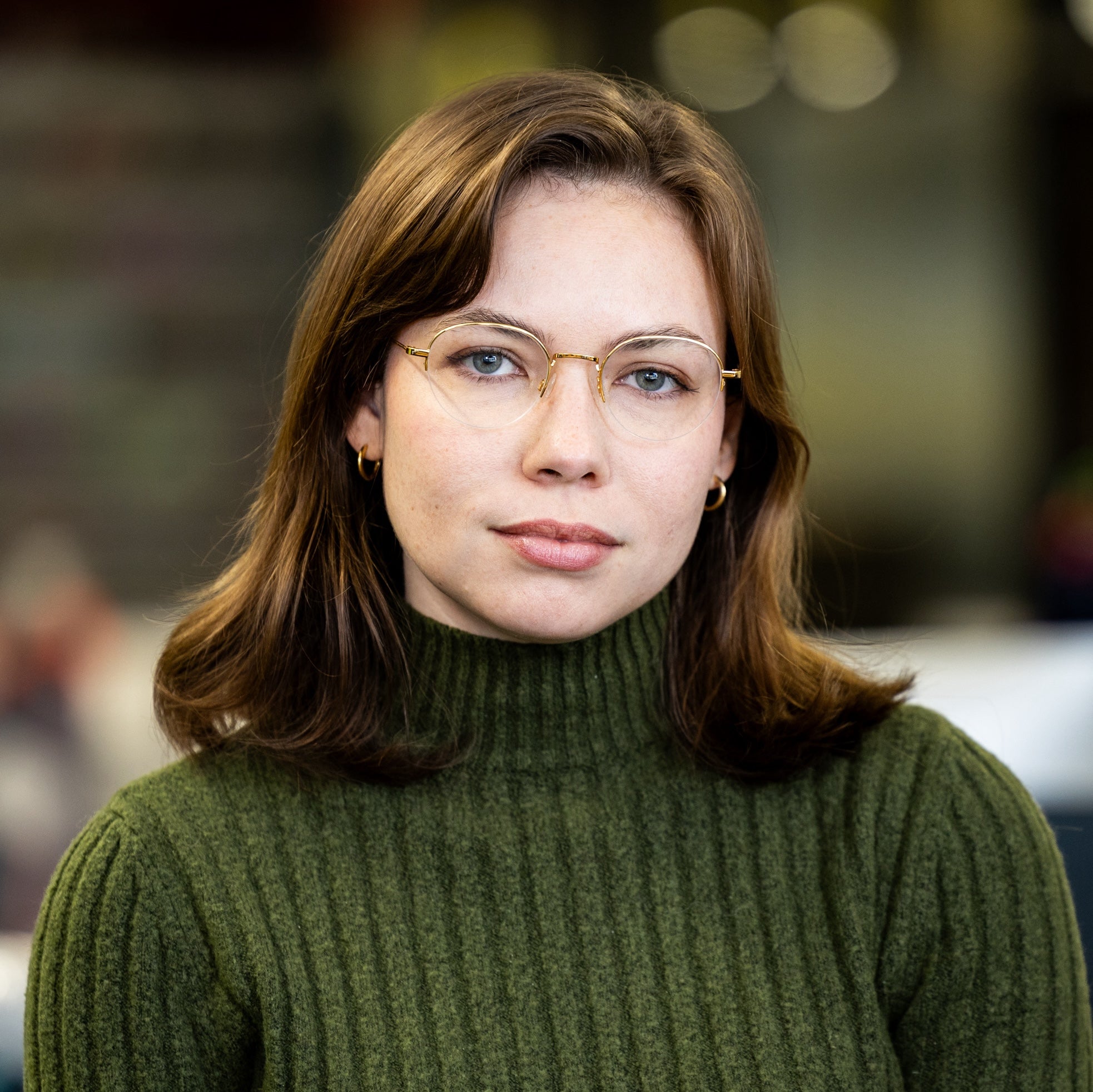
Olivia Aldridge
Senior Health Care Reporter
KUT News
Olivia Aldridge is the senior health reporter at KUT, Austin’s NPR station. Her work frequently appears on national NPR programs and shows. She has previously reported for South Carolina Public Radio and the hyperlocal publication Community Impact, and her byline has also appeared in the New York Times.

Eric Anslyn
Professor
Department of Chemistry, UT Austin
Eric V. Anslyn’s research is in the areas of physical organic and supramolecular chemistry, focused on deciphering reaction mechanisms, novel methods for chemosensing, materials chemistry and information encoding. He received his B.S. in chemistry from California State University Northridge in 1982. He did his doctoral work at Caltech, receiving a Ph.D. in 1987. Afterwards, he was an NSF postdoctoral fellow at Columbia University. From there, he started as an assistant professor of chemistry at The University of Texas at Austin in 1989. At UT Austin, he rose through the ranks to currently hold the Welch Regents Chair of Chemistry. Anslyn is a University Distinguished Teaching Professor, as well as an HHMI Professor. He was recently inducted into the American Academy of Arts and Sciences.

Joydeep Biswas
Associate Professor
Department of Computer Science, UT Austin
Joydeep Biswas leads the Autonomous Mobile Robotics Laboratory (AMRL), where his team builds service robots capable of long-term, real-world deployment. His research focuses on perception, motion planning and failure recovery to enable autonomous mobile robots to operate reliably in dynamic human environments.
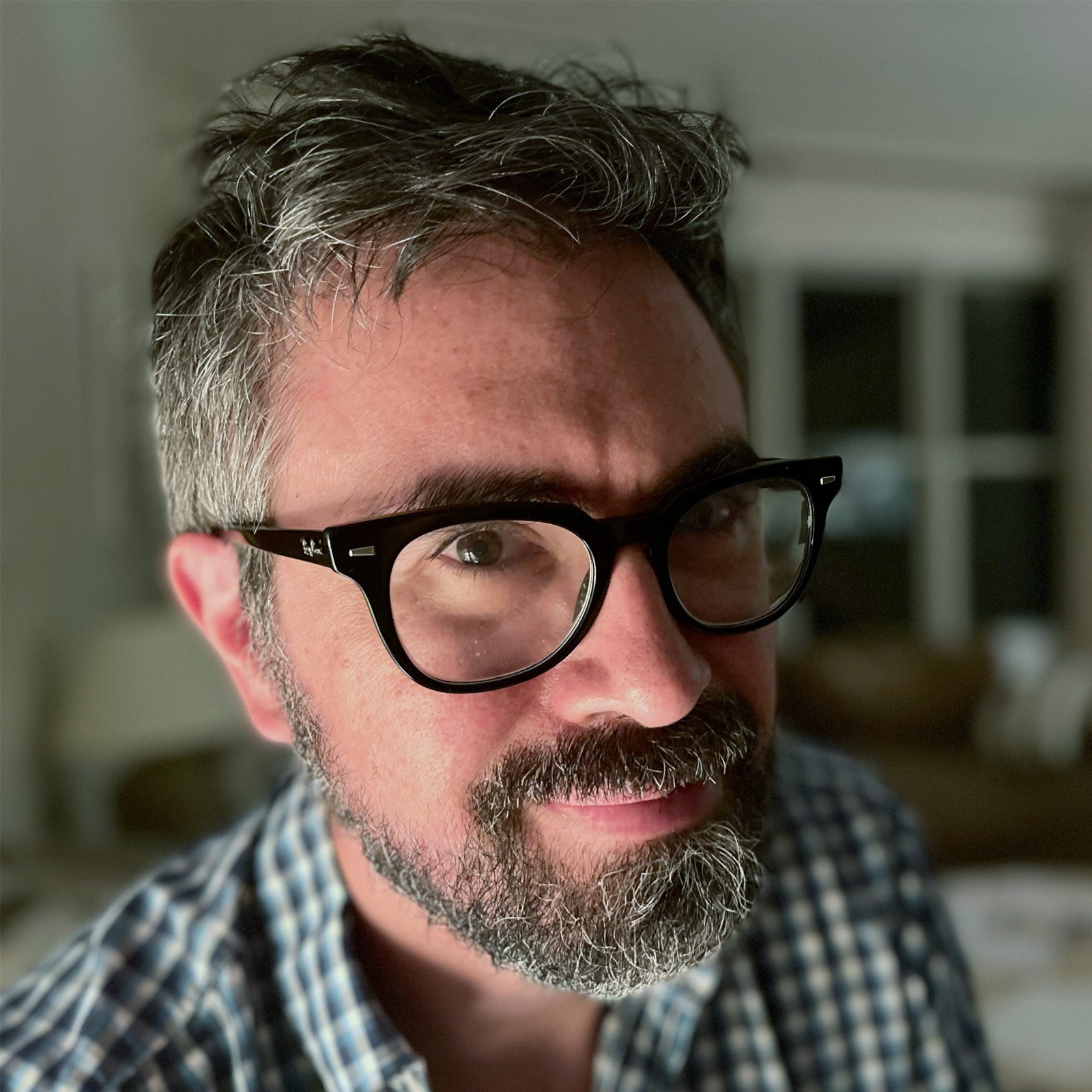
Andrew Bujalski
Writer and Director
Andrew Bujalski has written and directed seven feature films. His first, Funny Ha Ha, was cited by the New York Times as one of the most influential movies of the ’00s. Computer Chess was featured in the 2014 Whitney Biennial, and Results was acquired for the permanent collection of the Museum of Modern Art. Support the Girls appeared on Barack Obama’s list of favorite movies of 2018. Outside of his independent film work, Bujalski has worked as a professional screenwriter, director, installation artist and occasionally teacher and essayist.
Scott Burghart
Program Coordinator
Polymathic Scholars, UT Austin
Dr. Scott Burghart is a biological oceanographer whose research spans tropical to polar systems, focusing on plankton and micronekton assemblages. He is the program coordinator for the Polymathic Scholars, the CNS interdisciplinary honors program. He was previously an administrator in graduate education at UT Austin, working on initiatives aimed at enhancing graduate student experiences, implementing fellowships, and fostering an inclusive academic environment.

Aarti Choudhary
Global Lead for Responsible AI
AMD
Aarti Choudhary is a senior technology leader and Responsible AI lead at AMD, driving the company’s strategy for Responsible, Open and Trustworthy AI across AI hardware, software, robotics and ecosystem partnerships. She brings deep cross-industry experience from Intel, Microsoft and AMD, spanning AI platforms, robotics systems, governance and large-scale deployment. Her work focuses on embedding trust, transparency, security and sustainability into intelligent systems—from silicon to robotics to full AI systems—while advancing open ecosystems, AI education and global collaboration with academia, industry and policymakers.
Beyond her professional role, Aarti is a committed ambassador for Women in AI in the Seattle area and actively leads a robotics club and coaches middle and high school students in the Washington area, helping build the next generation of responsible innovators and technologists.
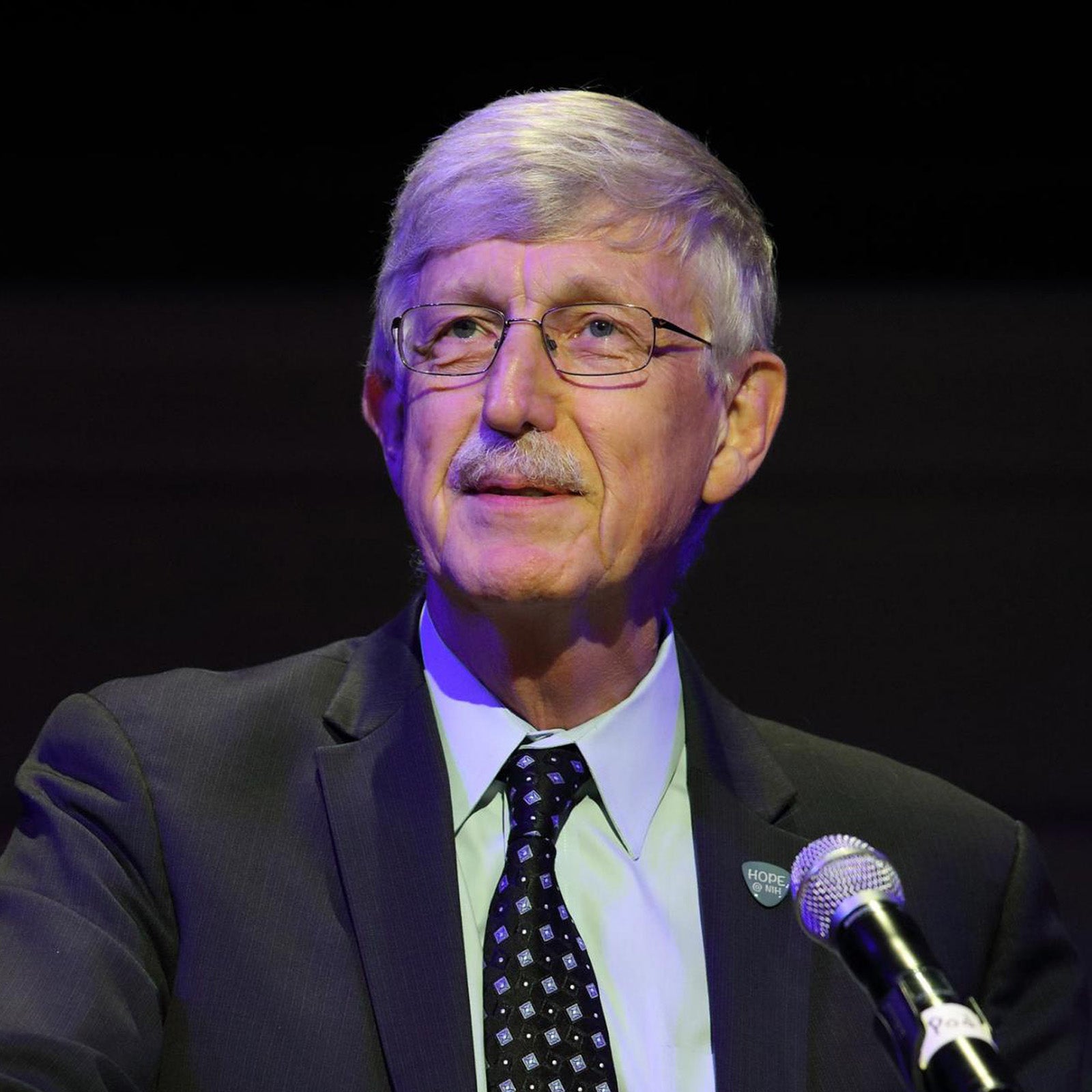
Francis Collins
Physician, Scientist and Author
Dr. Francis Collins is a physician-geneticist known for leading the Human Genome Project, directing the National Institutes of Health for 12 years and advancing landmark discoveries of disease genes. Early in his research career, he co-led teams that discovered the genetic cause of cystic fibrosis, neurofibromatosis and Huntington's disease. With him at the helm from 1993 - 2003, the International Human Genome Project produced a finished sequence of human DNA. He then used this new data to help create powerful tools and strategies to advance biological knowledge about humans and improve their health. Along with his research, Collins has also stressed the importance of considering the ethical and legal issues surrounding genetics. His leadership at NIH spanned three presidencies and guided major initiatives in areas such as diabetes, Alzheimer’s, cancer, precision medicine and the COVID-19 response. After serving as Acting Science Advisor to the president, he returned to his NIH lab to study genetic factors in diabetes and aging before retiring in 2025.
A prominent voice on the relationship between science and faith, Collins wrote the bestselling book “The Language of God” and founded the BioLogos Foundation to foster dialogue on these topics. Collins received a B.S. from the University of Virginia, a doctorate in physical chemistry from Yale University and a medical degree from The University of North Carolina. He is an elected member of both the National Academy of Medicine and the National Academy of Sciences, was awarded the Presidential Medal of Freedom in November 2007, and received the National Medal of Science in 2009. In 2020, he was elected as a Foreign Member of the Royal Society (UK) and was also named the 50th winner of the Templeton Prize, which celebrates scientific and spiritual curiosity. In addition to his book on science and faith, Collins has authored a book on personalized medicine, The Language of Life, published by HarperCollins in January 2010. His most recent book is “The Road to Wisdom: On Truth, Science, Faith and Trust,” published in 2024.
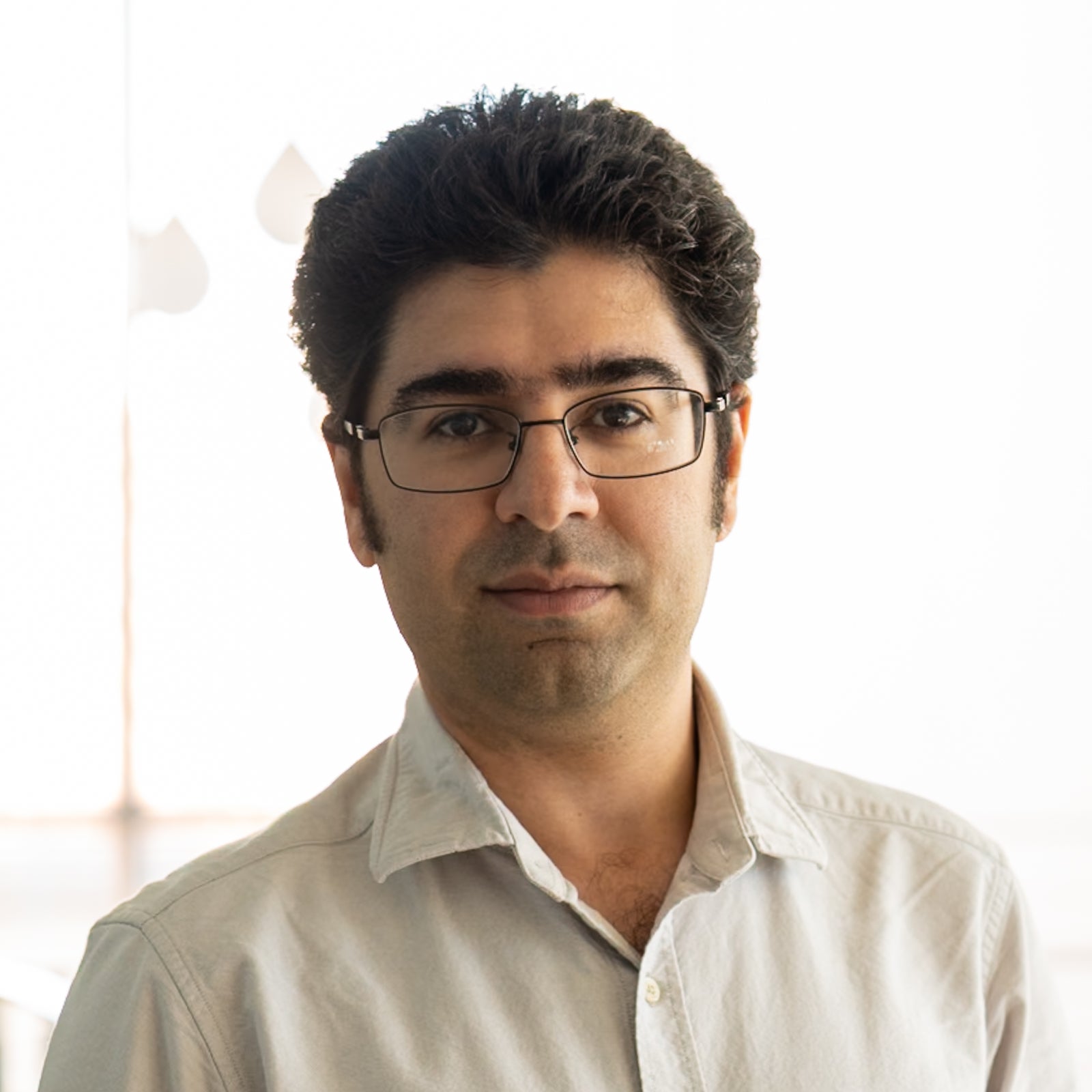
Arya Farahi
Assistant Professor
Department of Statistics and Data Sciences, UT Austin
Arya Farahi is the director of the D3 Lab, which is dedicated to advancing knowledge and innovation in statistical sciences, AI, astronomy and decision-making. Farahi is a co-PI and working group lead at the NSF-Simons AI Institute for Cosmic Origins, based at UT Austin. His research focuses on understanding the unexpected and not-well-understood consequences of AI models, including algorithmic bias and uncertainty quantification, and developing cutting-edge methodologies and tools to mitigate these challenges.
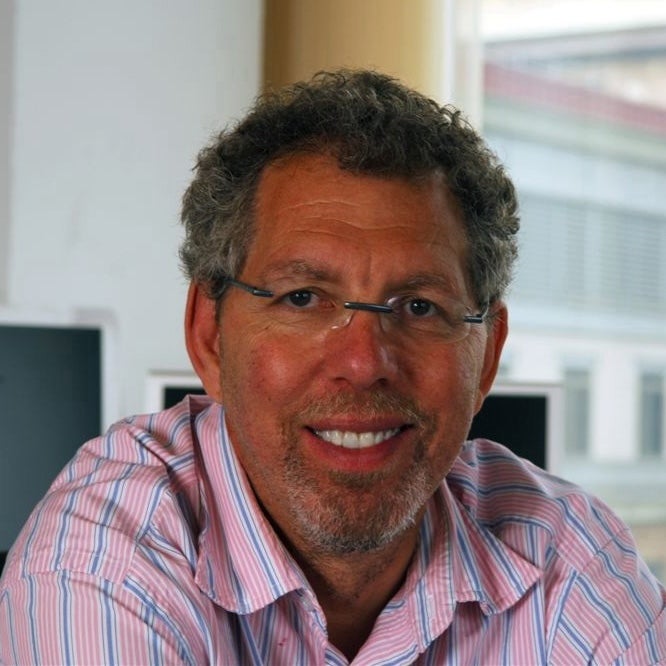
Jeffrey Friedman
Professor
Molecular Genetics, Rockefeller University
Jeffrey M. Friedman, M.D., Ph.D., is a member of the National Academy of Sciences and has won numerous awards, including the 2020 Breakthrough Prize in Life Sciences, the 2010 Albert Lasker Basic Medical Research Award, the 2019 Wolf Prize in Medicine, the 2009 Shaw Prize and the 2005 Gairdner Award. A professor at The Rockefeller University and an Investigator at the Howard Hughes Medical Institute studying the physiologic and genetic mechanisms that regulate food intake and body weight, he and his laboratory in 1994 isolated the mouse ob gene. They demonstrated that it encodes the hormone leptin, which reduces food intake in mice. His current research is aimed at understanding the neural and physiological mechanisms by which leptin transmits its weight-reducing signal.
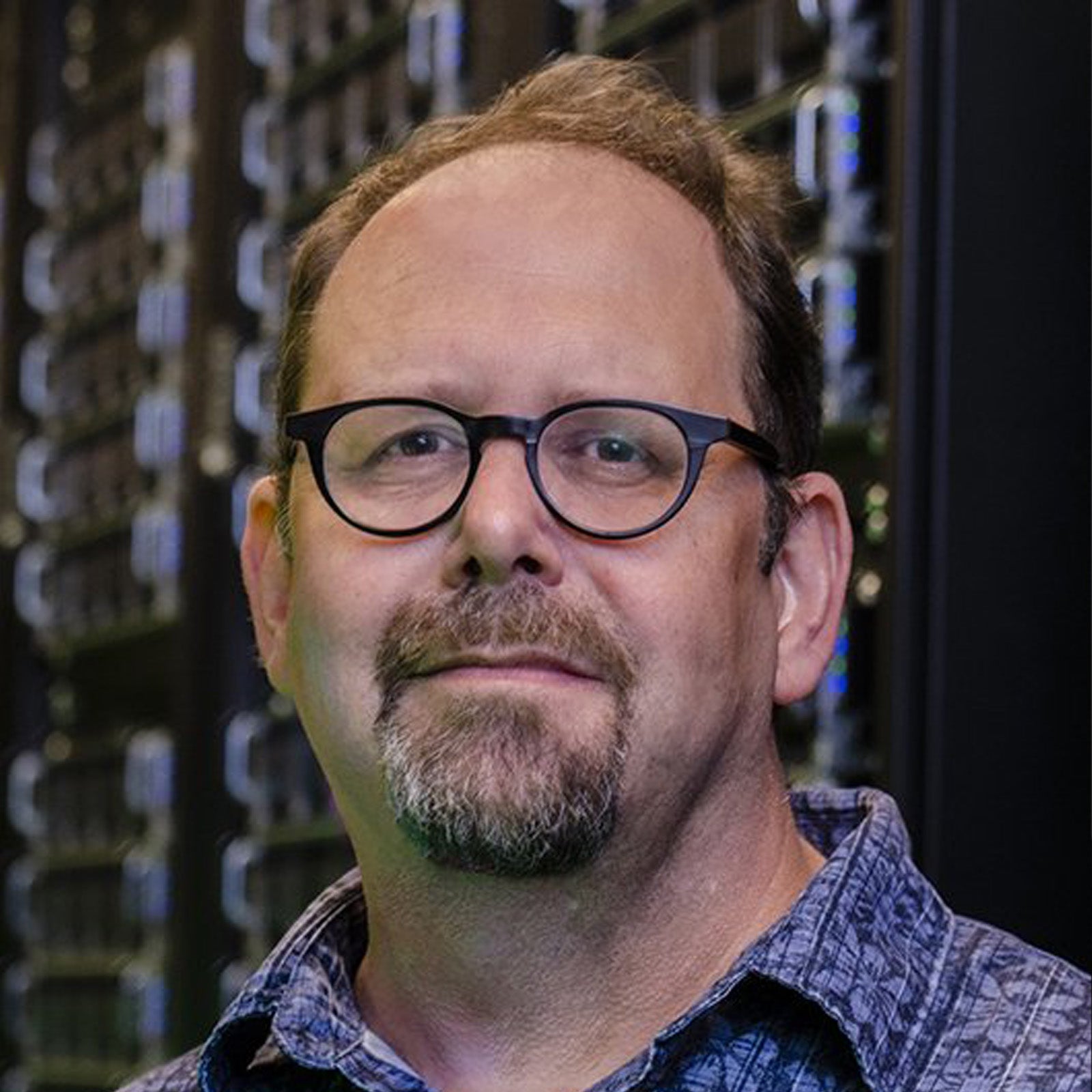
Niall Gaffney
Director of Computing
Texas Advanced Computing Center (TACC)
Niall Gaffney’s background primarily focuses on the management and use of large, inhomogeneous scientific datasets. He earned his B.A., M.A. and Ph.D. degrees in astronomy from The University of Texas at Austin and joined TACC in May 2013. Most of his focus has been on creating environments to foster better data practices, including improving metadata, data processing, analysis and reuse. He focuses on improving researchers’ data practices to accelerate outcomes and better feed machine learning and artificial intelligence applications, which are increasingly adopted across science and engineering research. Much of this stems from his 13 years as a designer and developer for the archives at the Space Telescope Science Institute (STScI), which holds the data from the Hubble Space Telescope, Kepler and James Webb Space Telescope missions.
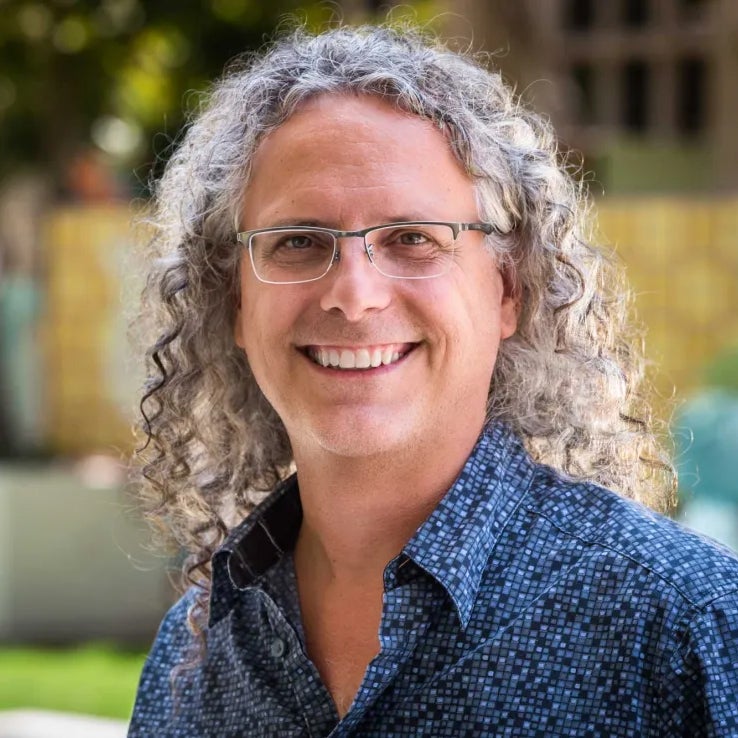
Karl Gebhardt
Department Chair and Professor of Astronomy
UT Austin
Karl Gebhardt’s research focuses on two main areas: black holes and dark energy. His work on black holes has helped build the case that a class of medium-mass black holes exists in between the stellar-mass black holes that result when massive stars explode as supernovae and the supermassive black holes that lie at the hearts of galaxies. Karl is also one of the architects of HETDEX, the Hobby-Eberly Telescope Dark Energy Experiment. This McDonald Observatory project seeks to understand dark energy, that enigmatic force causing the universe's expansion to speed up. Dark energy has been called the most important puzzle in all of science today. Karl received his Ph.D. in Physics and Astronomy from Rutgers University. He holds the Herman and Joan Suit Professorship in Astrophysics.
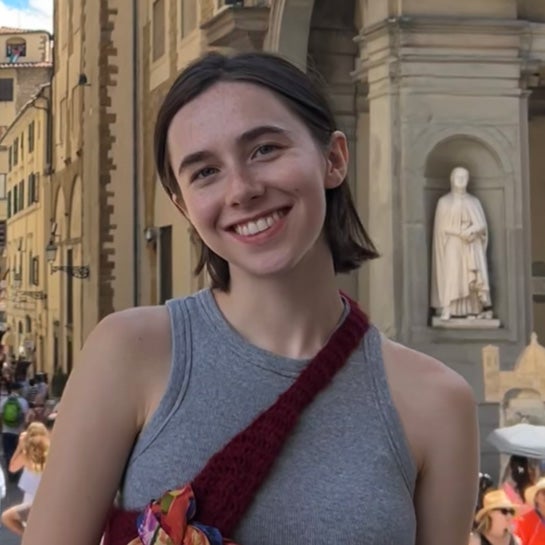
Kayla Gertner
Interim Collections Manager
UT Landmarks
Kayla Gertner is the Interim Collections Manager at Landmarks, the public art program of UT Austin. Kayla manages the care and conservation of the collection and oversees Landmarks’ Preservation Guild. She holds a B.A. in art history from the University of Texas at Austin and is currently preparing for an advanced degree in art conservation.
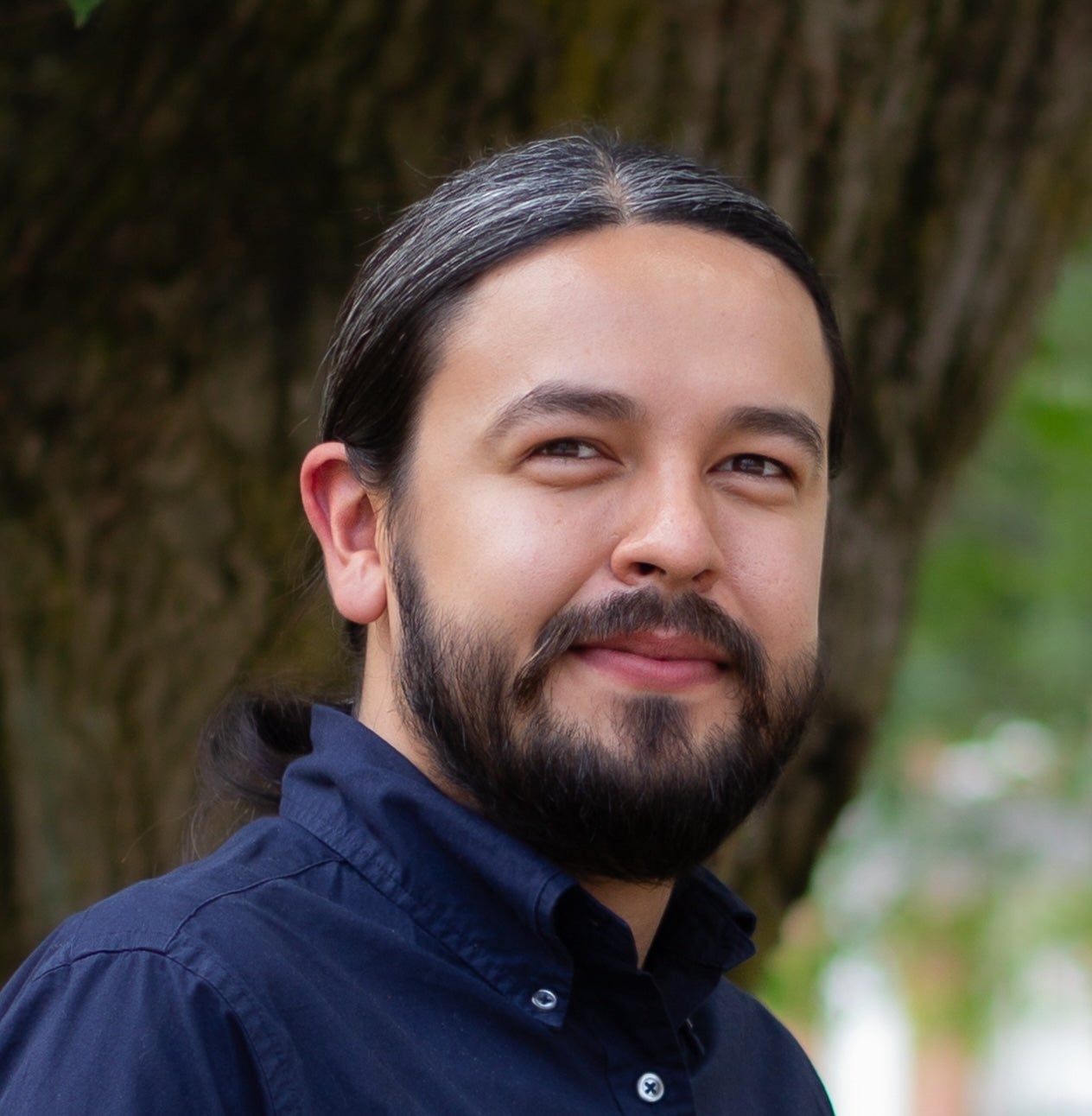
Sebastian Gomez
Assistant Professor
Department of Astronomy, UT Austin
Sebastian Gomez is an astrophysicist who specializes in observations of cosmic explosions such as supernovae and black holes destroying stars. Using telescopes in space and on the ground, he aims to understand how stars live, die and shape their surroundings. Before joining UT Austin, he was a Clay Postdoctoral Fellow at the Harvard–Smithsonian Center for Astrophysics and a postdoctoral fellow at the Space Telescope Science Institute, where he supported the development of NASA’s Nancy Grace Roman Space Telescope. Gomez earned his Ph.D. from Harvard University, studying rare supernovae and tidal disruption events, and his undergraduate degree from The University of Texas at El Paso, near his hometown of Ciudad Juárez, Mexico.
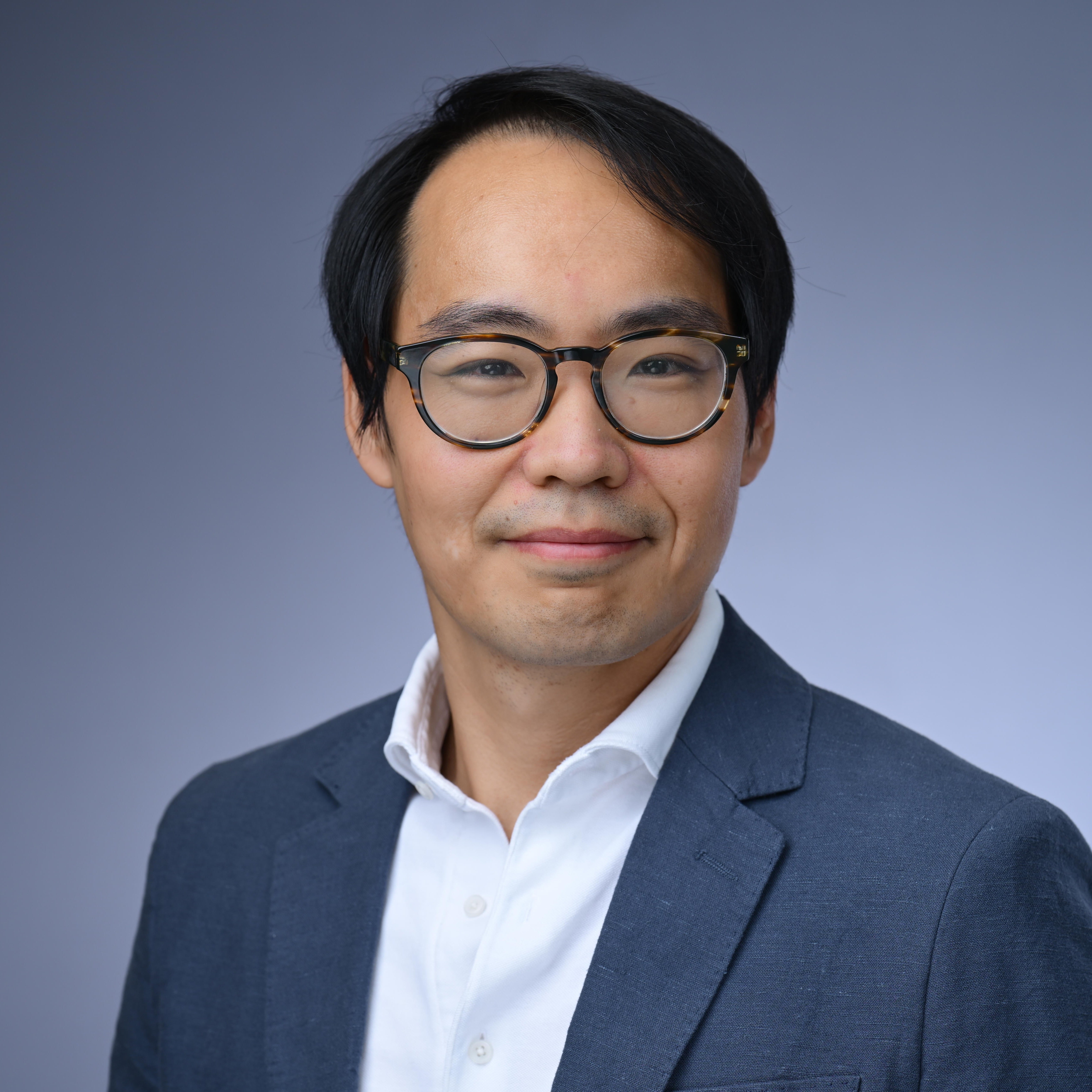
ChangHoon Hahn
Assistant Professor
Department of Astronomy, UT Austin
ChangHoon Hahn is an assistant professor at The University of Texas at Austin. His research lies in the intersection of cosmology and galaxy evolution and leverages his expertise in observations, simulations and AI. He is a leading member of the next-generation galaxy surveys, the Dark Energy Spectroscopic Instrument and the Prime Focus Spectrograph Galaxy Evolution Survey. He also leads collaborations building state-of-the-art cosmological simulations and testing galaxy formation models. His group is developing statistical and machine learning tools that can unlock the scientific potential of astronomical datasets.
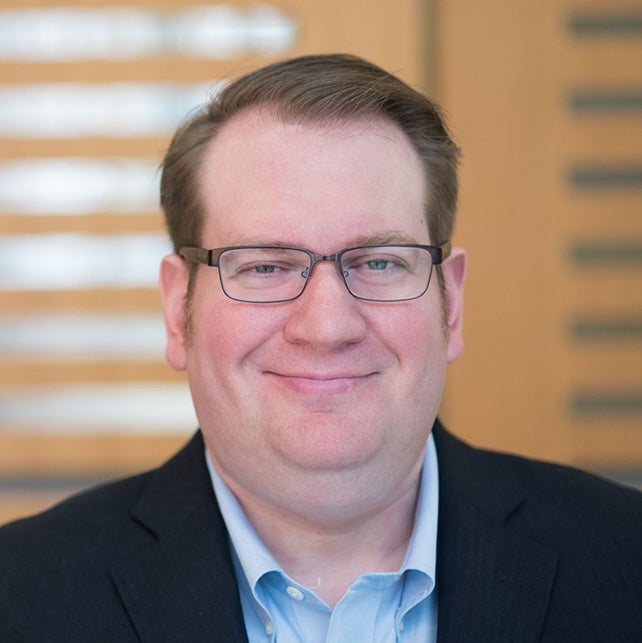
Justin Hart
Assistant Professor of Practice
Department of Computer Science, UT Austin
Justin Hart leads the Living with Robots Laboratory, where he develops service robots designed to inhabit human spaces. His research spans social and autonomous human-robot interaction, semantic mapping and the integration of large language and foundation models in robotics. He co-directs UT’s Good Systems “Living and Working with Robots” project and co-supervises the UT Austin Villa@Home and LisTex RoboCup@Home teams.

Keith Hawkins
Associate Professor
Department of Astronomy, UT Austin
Keith Hawkins is primarily interested in a field called galactic archaeology, which is aimed at exploring the Milky Way Galaxy and its formation, evolution and structure. He uses stellar spectroscopy as his primary astrophysical tool. He belongs to the Wootten Center for Astrophysical Plasma Properties at UT Austin. Before coming to UT, he completed a postdoctoral fellowship as a Simons Junior Research Fellow at Columbia University and received his Ph.D. at the Institute of Astronomy in Cambridge, under a Marshall Scholarship and King’s College Cambridge Studentship. Hawkins received his B.S. in astrophysics with minors in mathematics and African Studies from Ohio University.
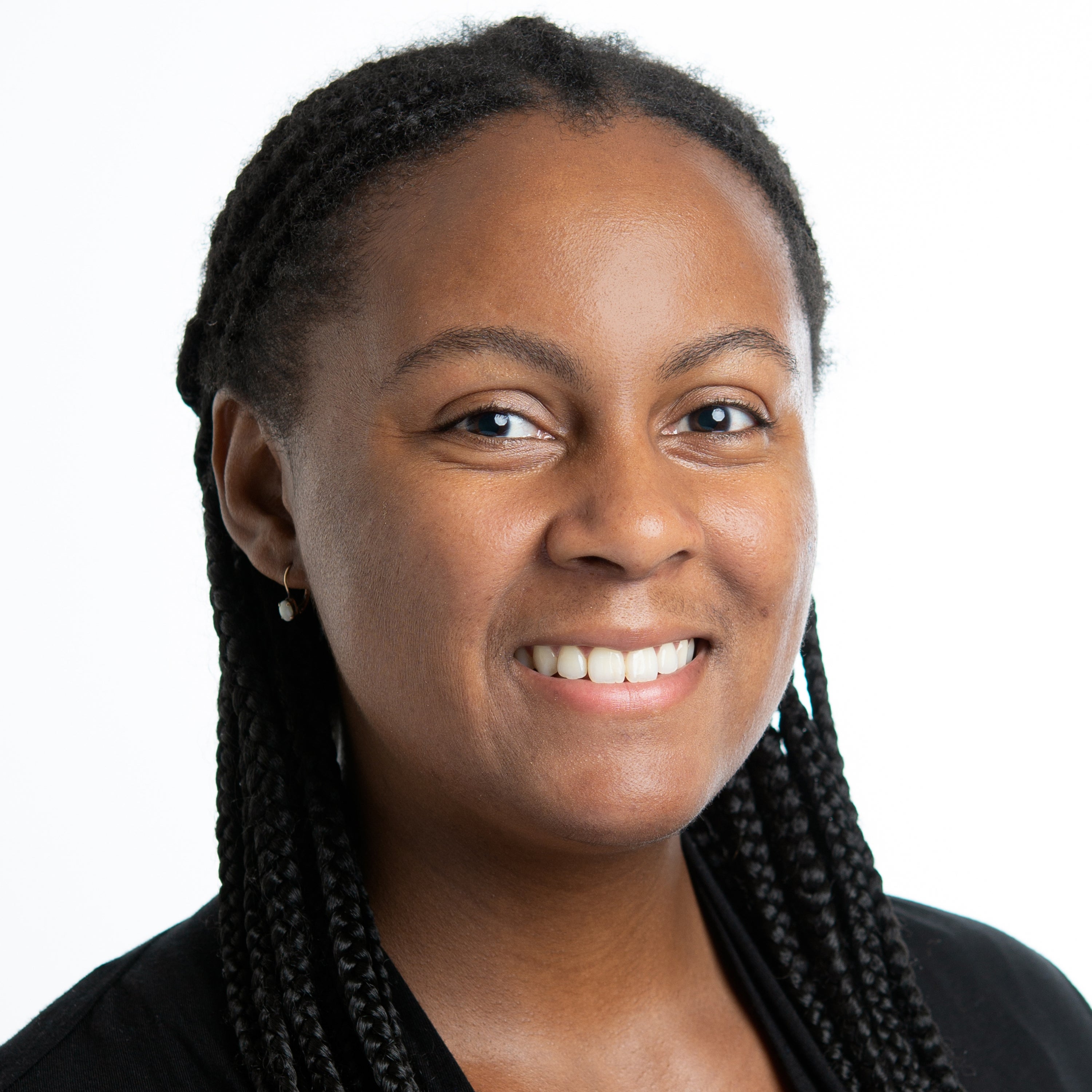
Melissa Kemp
Associate Professor
Department of Integrative Biology, UT Austin
Melissa Kemp is an evolutionary biologist who uses the fossil record and historical data to investigate species responses to global change phenomena. Also appointed in the Department of Earth and Planetary Sciences at UT Austin, she earned her B.A. in biology from Williams College and her Ph.D. in biology from Stanford University, where she was a National Science Foundation (NSF) Graduate Research Fellow, a Stanford DARE Fellow and a National Geographic Young Explorer. She then served as an NSF Environmental Fellow at Harvard University, where she completed her postdoctoral research at the Harvard Center for the Environment. There she investigated how past global change forces have altered species distributions in Anolis lizards, helping reveal population trajectories before, during and after environmental perturbations and providing a framework for evaluating future range shifts. She has served on the faculty of the Department of Integrative Biology at UT Austin since 2018, publishing widely on how vertebrate biodiversity and communities have responded to past environmental change—integrating conservation paleobiology, evolutionary ecology and paleontology to study extinction, diversification, colonization and trait-based responses to global change through deep time. Her research in Texas and in the Caribbean illuminates trends from the last 30,000 years that can shed light on major questions about the roles of climate and human migration in determining the fate of various species.
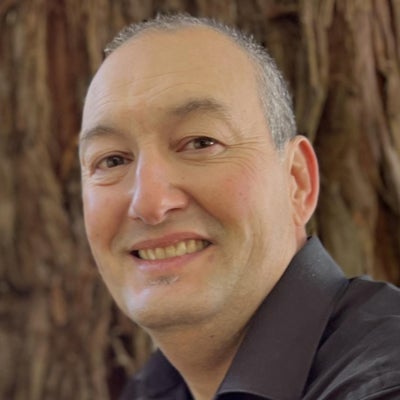
Frank Kanawha Lake
Research Ecologist & Cultural Fire Practitioner
Brent Landau
Senior Lecturer
Religious Studies, UT Austin
Brent Landau’s chief research is on ancient Christian apocryphal writings. Among this literature, he is particularly interested in traditions about Jesus’ birth and childhood and in fragments of Christian Apocrypha preserved on papyri. He teaches a course exploring the intersection of religion and outer space. He received his Th.D and M.Div from Harvard University, and a B.A. in Religious Studies from the University of Iowa. Prior to coming to UT in 2013, he was Assistant Professor of Religious Studies at the University of Oklahoma; he has also held visiting positions at Boston University and Harvard Divinity School.
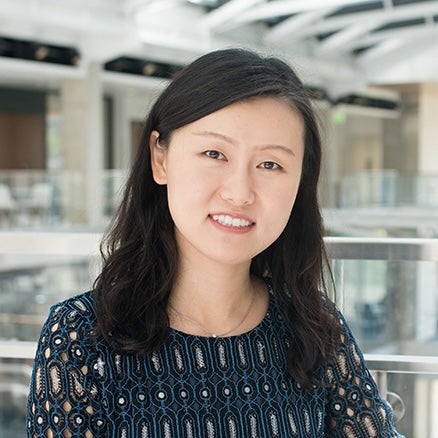
Nanshu Lu
Professor
Department of Aerospace Engineering & Engineering Mechanics, UT Austin
Nanshu Lu’s research group pioneers the mechanics and materials of soft, stretchable electronics, from 2D nanomaterials to bio-integrated “e-tattoos” for mobile health and human-machine interfaces. Her current work explores next-generation soft electronic systems that seamlessly interface with the human body to advance continuous health monitoring and human–machine interaction.

Brian Malow
Science Comedian
Brian Malow (B.A. ’85) is a stand-up comedian and science communicator whose unique blend of comedy and science has been entertaining audiences from TEDx Berkeley to Los Alamos National Lab to the Lindau Nobel Laureate Meetings. Malow has appeared on Science Friday, Neil Tyson’s StarTalk Radio, the Science Channel, the Weather Channel and the Late Late Show with Craig Ferguson. You can see him currently streaming in the documentary “Science Friction” and on “The Unbelievable,” hosted by Dan Aykroyd on the History Channel. Malow has produced science videos for Time Magazine and Slate and written for Scientific American, American Scientist and Symmetry Magazine. He has worked with NASA, NSF, AAAS, NIST and many other acronyms, as well as Lawrence Berkeley Lab, Johns Hopkins Medicine, Apple, Google and Microsoft. He’s been featured in the New York Times, San Francisco Chronicle and Washington Post. The California Academy of Sciences named Malow one of their inaugural Osher Science Communication Fellows.
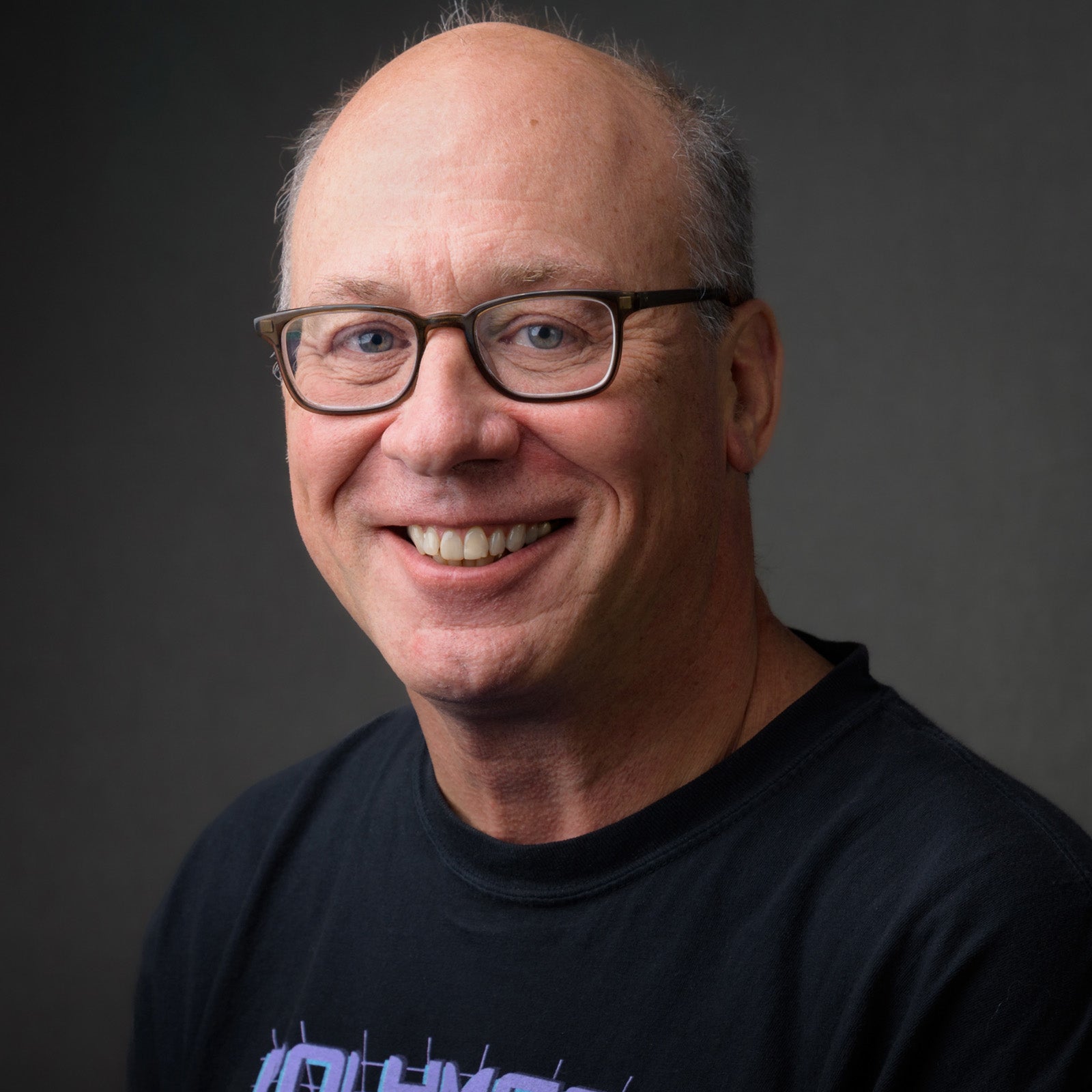
Michael Mauk
Professor
Department of Neuroscience, UT Austin
Michael Mauk’s research focuses on computation and mechanisms of learning in brain systems, particularly in the cerebellum and prefrontal cortex. The hallmark feature of his research is the combined use of experiment and computer simulation to address what brain systems compute and how their neurons and synapses accomplish this computation. The ultimate goal for his research is to understand brain systems well enough to build fully functional replicas. He received his Ph.D. from Stanford University.

Jason McLellan
Professor
Department of Molecular Biosciences, UT Austin
Jason McLellan is the Welch Chair in Chemistry at The University of Texas at Austin. He researches viral and bacterial proteins, and his work to understand how these proteins are structured and how they function has factored into the development of vaccines and potential treatments for deadly pathogens that have impacted the lives of billions of people. Inducted into the National Inventors Hall of Fame and the recipient of a MacArthur Fellowship, he developed a method for engineering key proteins in coronaviruses and respiratory viruses for use in vaccines. The associated technologies from his research are now found in many leading vaccines against COVID-19 and respiratory syncytial virus (RSV), a virus especially dangerous for young children and seniors. He is the winner of multiple scientific awards, including the National Academy of Sciences Award in Molecular Biology, the Park MahnHoon Award, the Edith and Peter O'Donnell Award in Medicine, the Golden Goose Award, the William Prusoff Memorial Award and the Viruses Young Investigator in Virology Prize. His research and expertise have been featured in multiple media outlets including CNN, Fox News, USA Today, The New York Times, The New Yorker, The Washington Post and National Geographic. Dr. McLellan earned a B.S. in chemistry with an emphasis in biochemistry from Wayne State University and his Ph.D. from the Johns Hopkins University School of Medicine. He conducted his postdoctoral research at the National Institutes of Health’s Vaccine Research Center. He previously served on the faculty at the Geisel School of Medicine at Dartmouth.
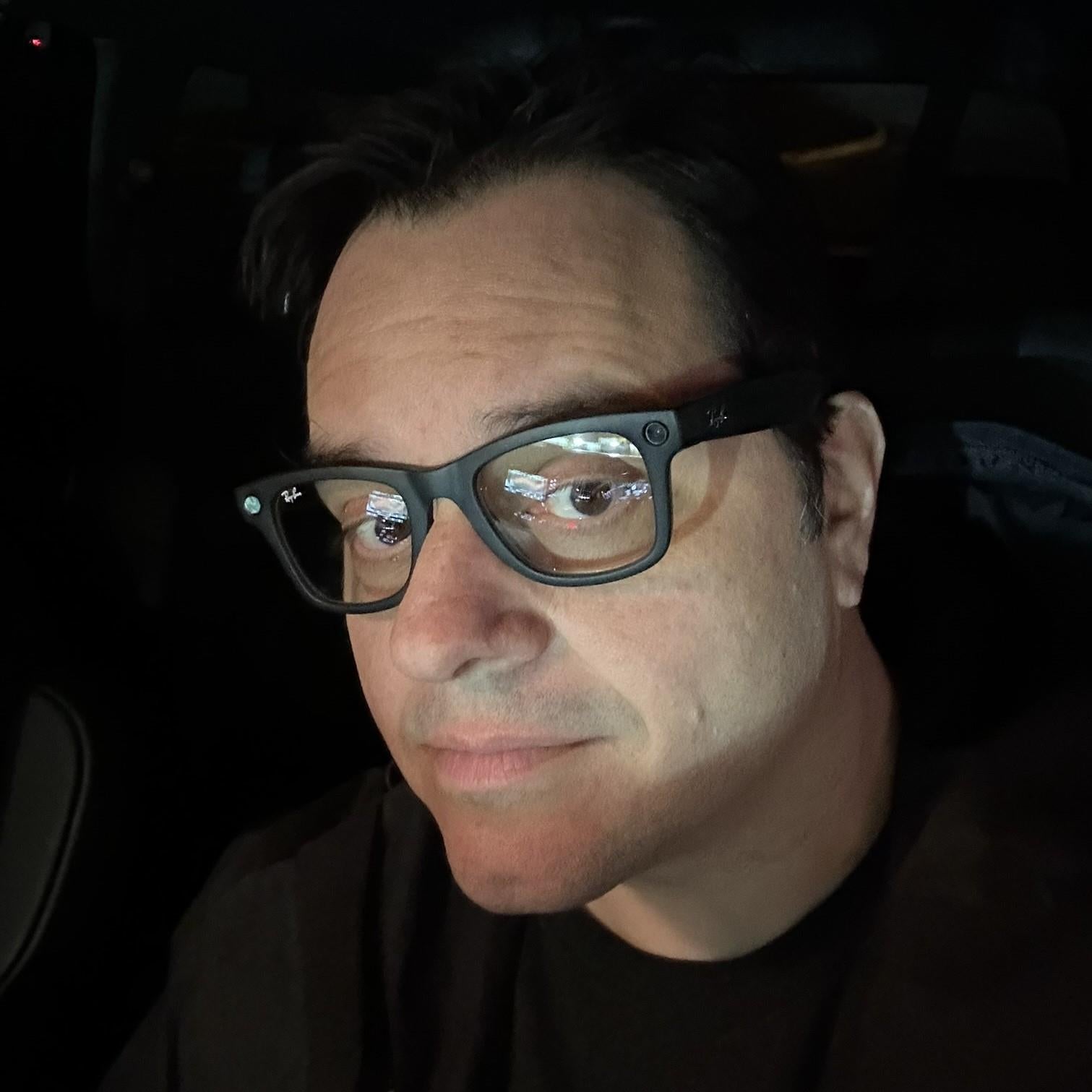
Lucas Meyer
Principal Research Scientist
Microsoft AI for Good Lab
Lucas A. Meyer is a principal research scientist at the Microsoft AI for Good Lab, focused on applying AI to solve real-world problems. Since 2016, he has led work translating advances in large language models into practical systems, connecting technical design to governance, safety and outcomes. Lucas combines technical and economic expertise. With an academic background in both computer science and finance and decades of experience working in companies like Microsoft and Amazon, Lucas can bridge research and product strategy to real-world applications.
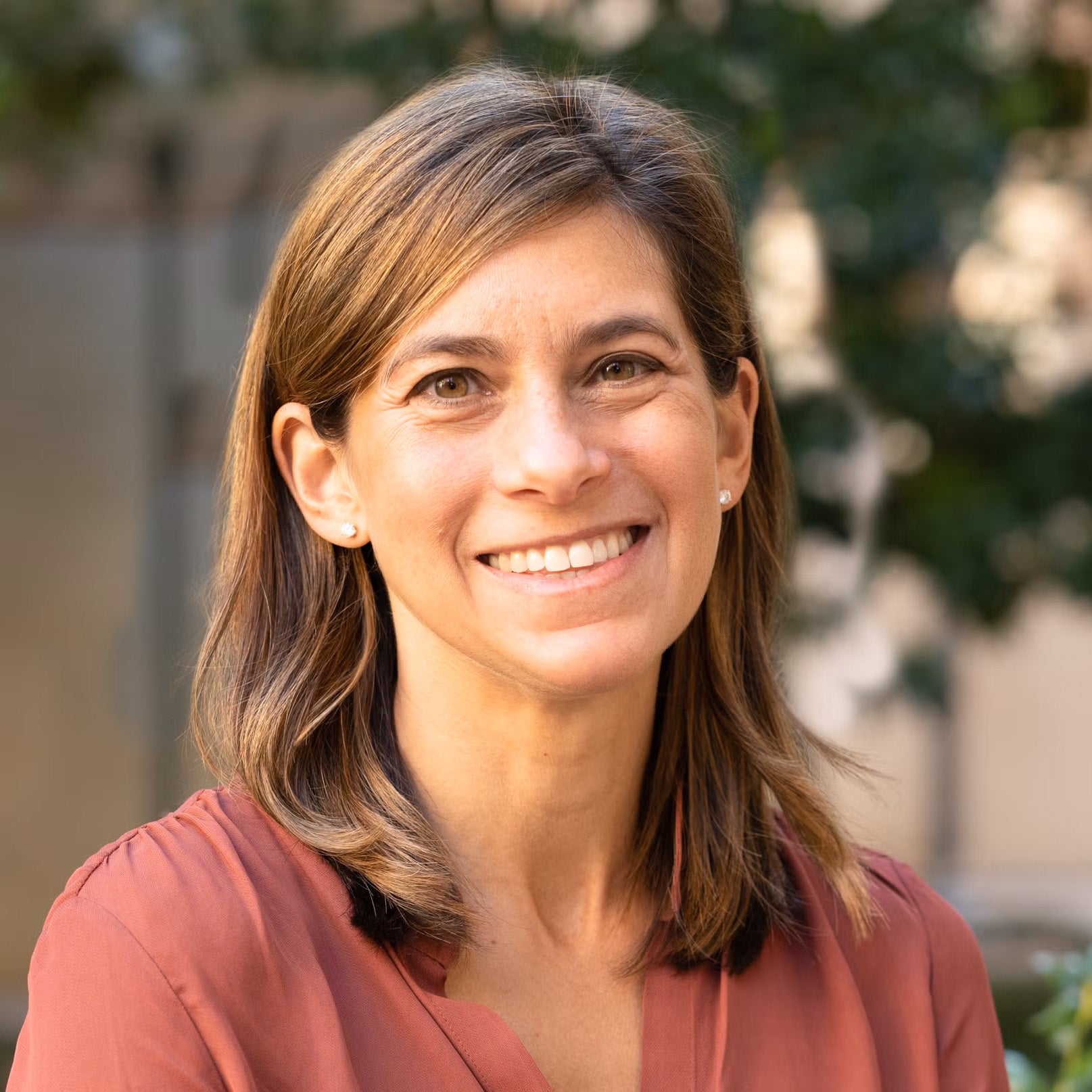
Lauren Ancel Meyers
Professor
Department of Integrative Biology, UT Austin
Lauren Ancel Meyers is the Cooley Centennial Professor at The University of Texas at Austin in the Department of Integrative Biology and Department of Statistics and Data Sciences. She is the director of epiEngage and the UT COVID-19 Modeling Consortium and serves on the steering committee for the Center for Pandemic Decision Science. For over 20 years, she has pioneered the application of data-driven models and machine learning to improve the detection, surveillance, forecasting and control of emerging viral threats, building decision-support tools and providing time-sensitive analyses during outbreaks to inform public health and government leaders. She has worked closely with the U.S. Centers for Disease Control and Prevention, Biomedical Advanced Research and Development Authority, Defense Threat Reduction Agency, U.S. National Defense Council and state and local agencies. She was previously named one of the top 100 global innovators under age 35 by the MIT Technology Review in 2004 and received the Joseph Lieberman Award for Significant Contributions to Science in 2017.
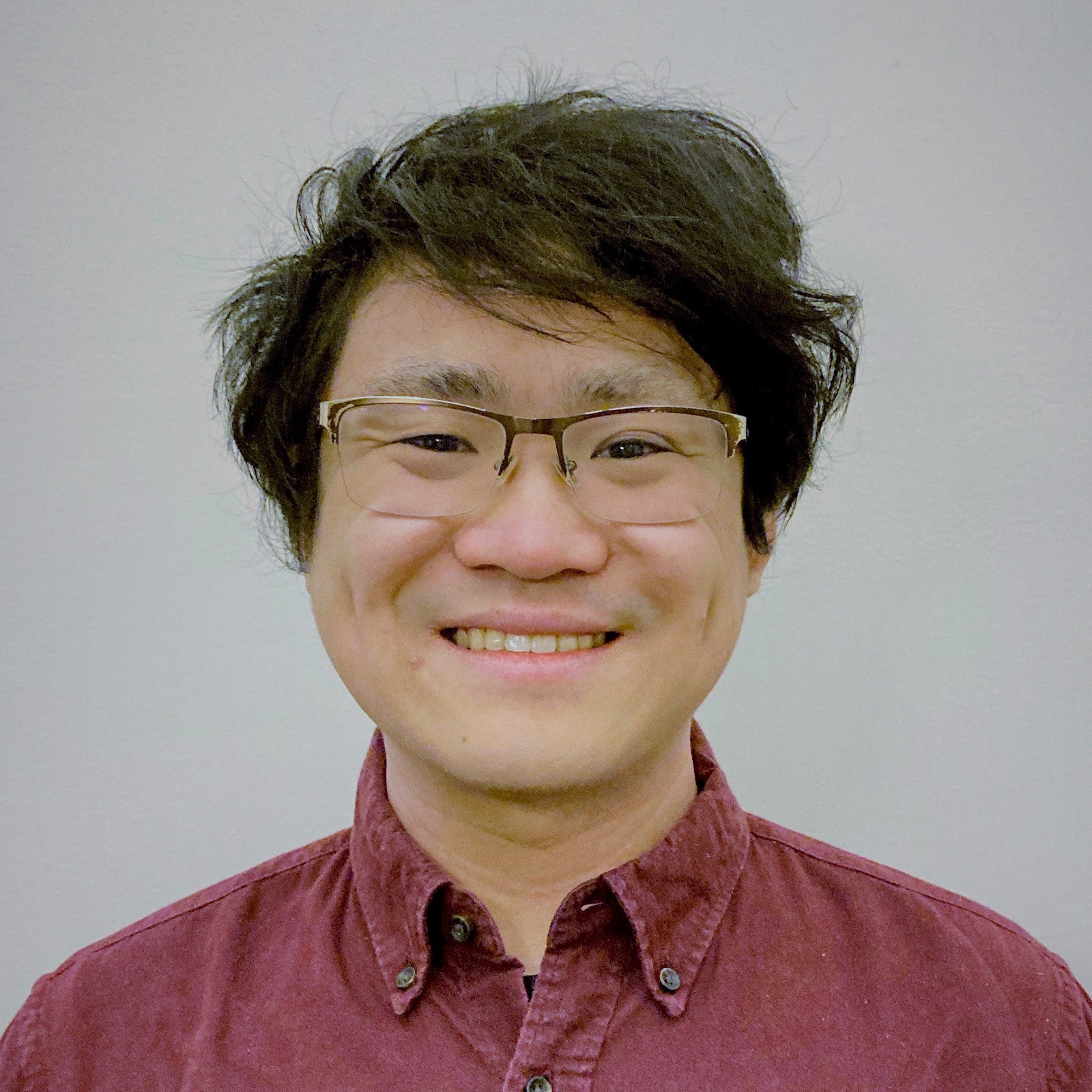
Matthew Ming
Ph.D. Candidate in Ecology, Evolution and Behavior
Department of Integrative Biology, UT Austin
Matt Ming is broadly interested in population genetics and evolution, and is currently investigating how selection may differ between males and females. Outside of research, he enjoys watching movies, rock climbing and playing chess.
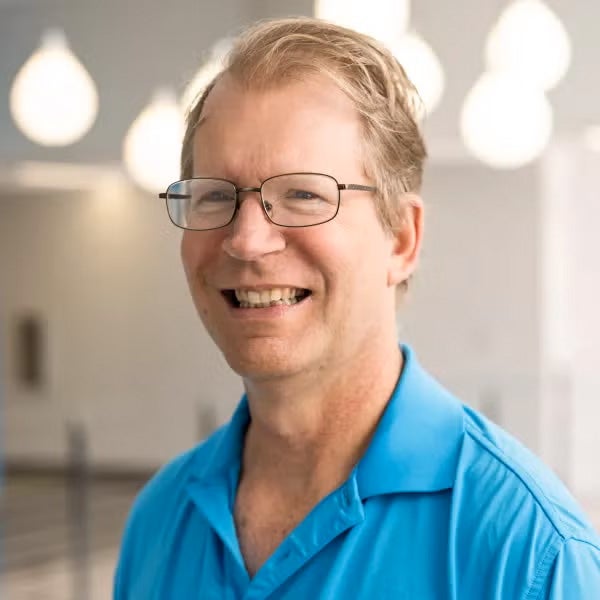
Mike Montgomery
Assistant Professor of Practice & Director of the Wootton Center for Astrophysical Plasma Properties
Department of Astronomy, UT Austin
Before UT, Dr. Montgomery completed postdoctoral positions at the Institute of Astronomy in Vienna, Austria, and the Institute of Astronomy in Cambridge, UK. Before that, he completed his Ph.D. in 1998 at the University of Texas at Austin, working with Dr. Don Winget on the evolution and pulsation of crystallizing white dwarf stars. Since 2009, he has run the Freshman Research Initiative course in astronomy, which gets students started in the research careers in their freshman year as undergraduates. His recent research has focused more on laboratory astrophysics questions.
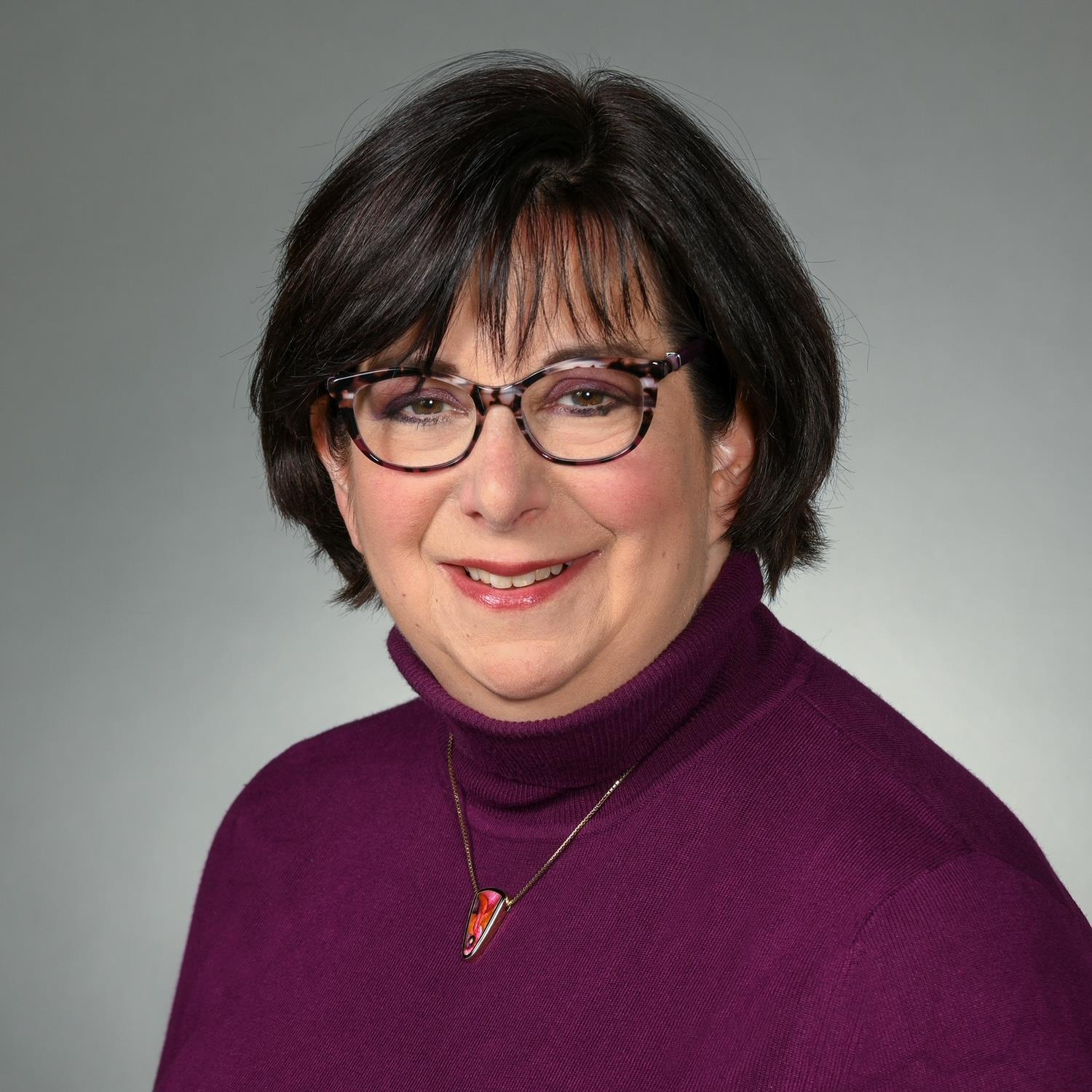
Nancy Morgan
CEO
Ellis Morgan Enterprises
Nancy Morgan is a national security leader who bridges the intelligence community, defense and private sectors to drive data and AI innovation. As the former U.S. Intelligence Community Chief Data Officer (IC CDO) and a CIA executive with 36+ years of leadership experience, she spearheaded groundbreaking data and IT initiatives and public-private partnerships that reshaped how America's intelligence agencies harness information for national security. Now CEO of Ellis Morgan Enterprises and a strategic advisor to The Cantellus Group, she shapes corporate transformations in data and AI strategy, organizational readiness, governance and modernization across national security and commercial sectors. Her proven track record includes building new organizations from the ground up and executing enterprise-wide data, AI and technology initiatives. She is a visiting fellow at the National Security Institute's Cyber and Tech Center. She is based in the Washington, D.C. area.
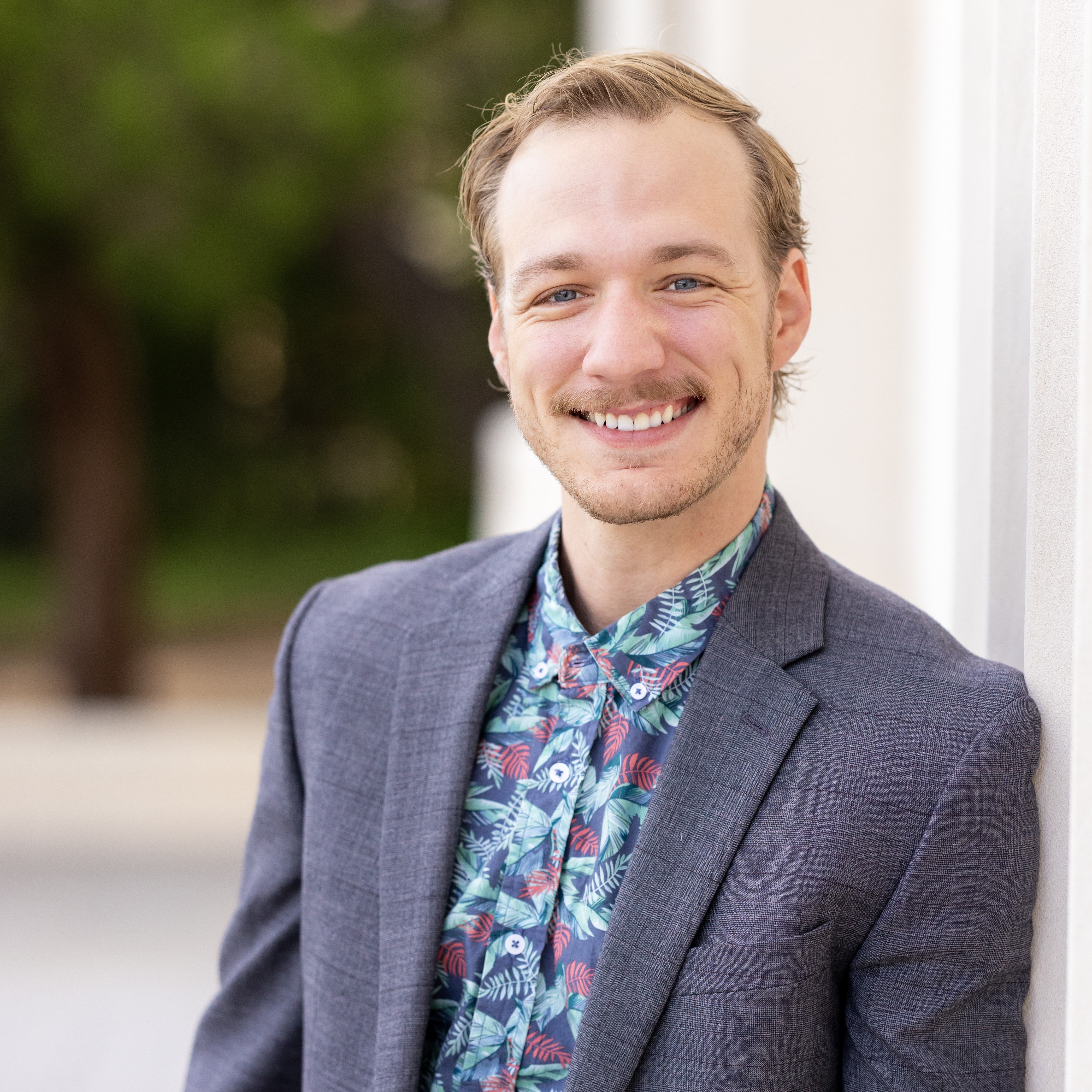
Liam Norris
Exhibition and Outreach Associate
Texas Science & Natural History Museum
Dr. Liam Norris is a paleontologist specializing in dinosaur paleontology, specifically studying paleoecology through geochemistry. Liam graduated from Texas A&M University in 2020 with his BS in geology, and earned his Ph.D. in geosciences from The University of Texas at Austin in May 2025. Liam is from Houston and is passionate about paleontology, wildlife and artwork, and loves giving people their own "eureka" moment by making complex scientific topics understandable to all.
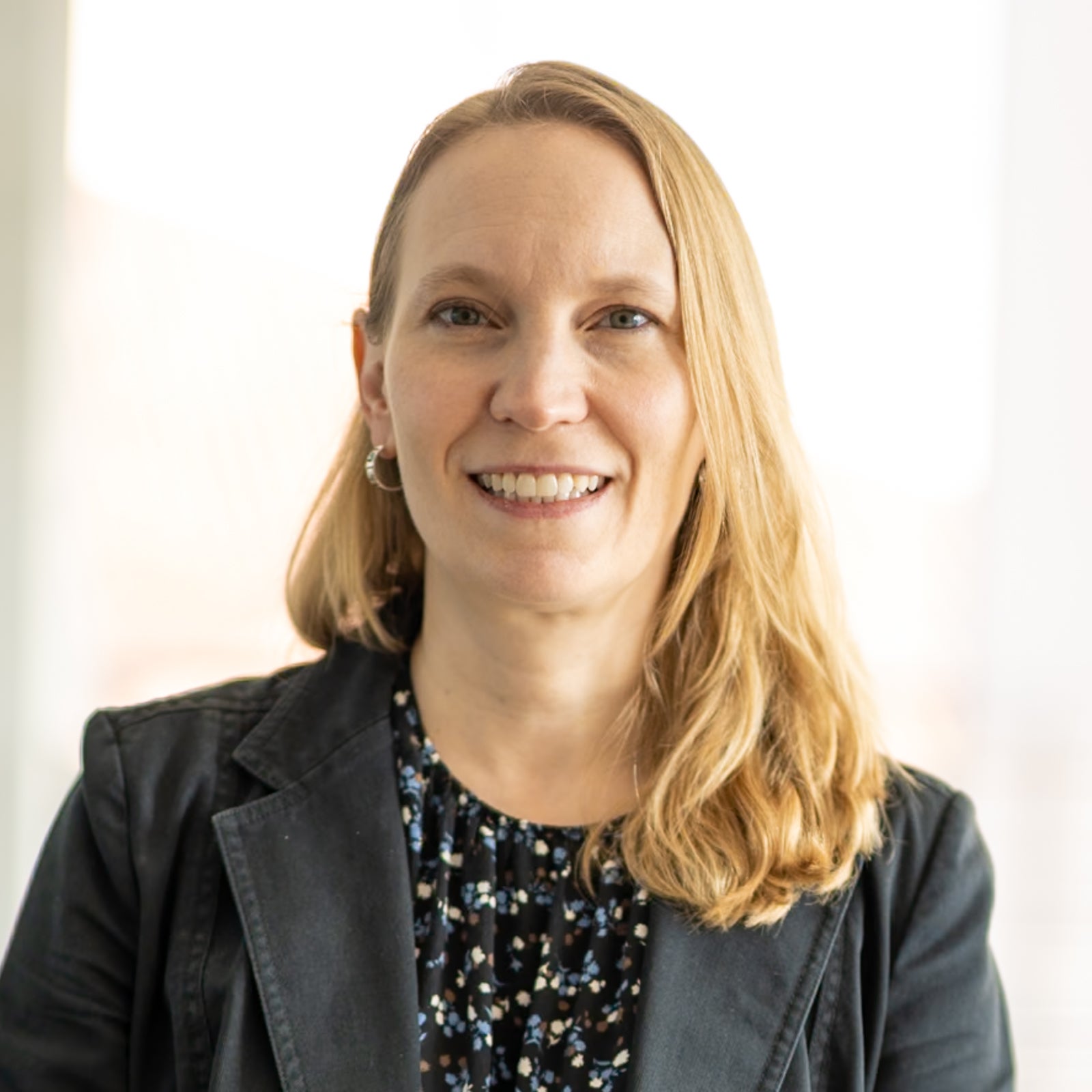
Stella Offner
Professor
Department of Astronomy, UT Austin
Stella Offner’s research focuses on understanding how stars like our Sun form. She performs computer simulations of the turbulent birth environment of stars and uses them to predict what telescopes will observe: synthetic observations. This work has broader implications for the evolution of galaxies and the initial conditions of planetary systems. Offner is the director of the NSF-Simons AI Institute for Cosmic Origins. She is a core faculty member in the Oden Institute for Computational Engineering and Sciences and co-director of the Center for Scientific Machine Learning. She is also a member of the Center for Planetary Systems Habitability and the Machine Learning Laboratory.
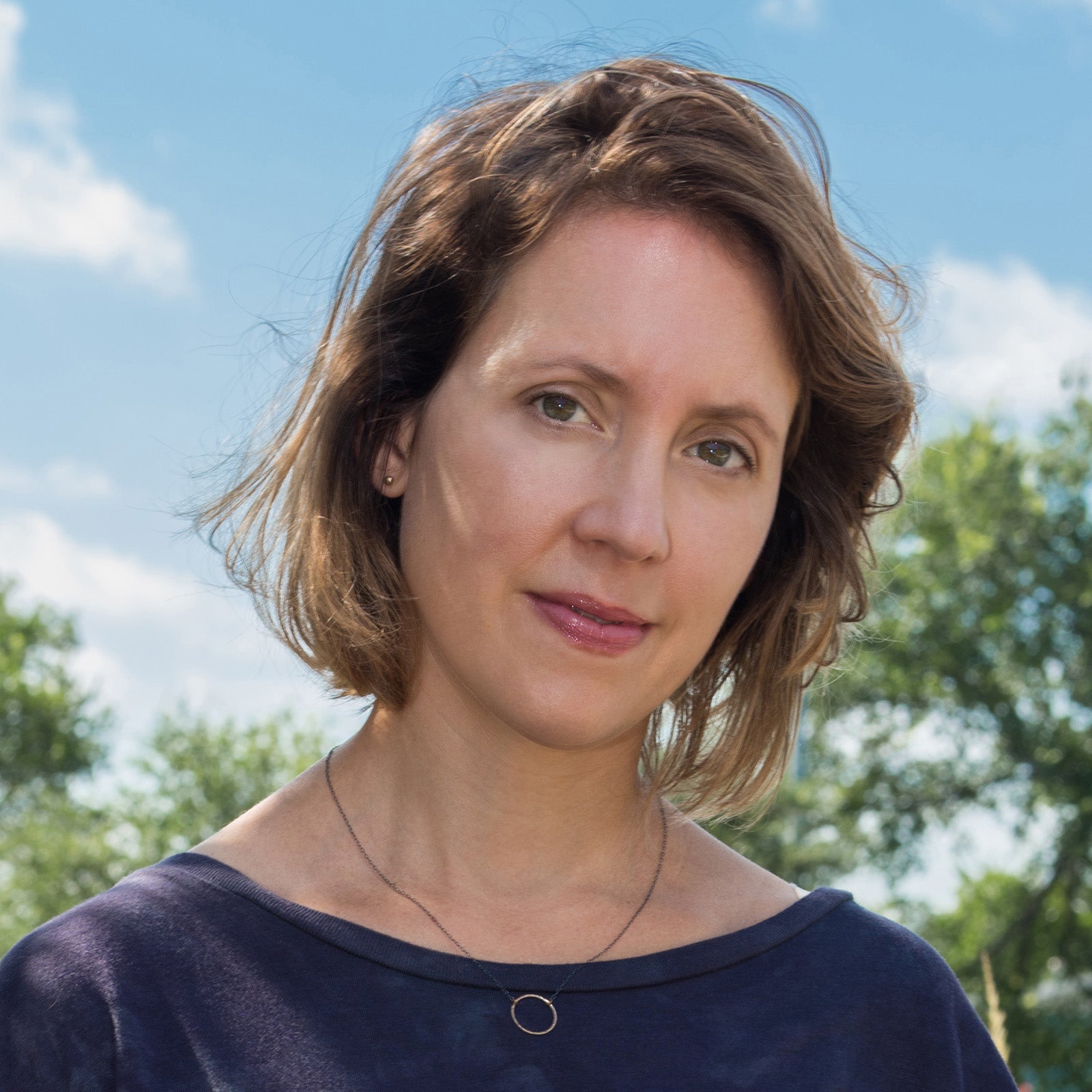
Karen Olsson
Author and Editor
Karen Olsson is a writer of fiction and nonfiction. Her 2019 book, The Weil Conjectures, tells the stories of siblings André Weil, a mathematician, and Simone Weil, a philosopher, essayist, and spiritual thinker, interwoven with vignettes of other mathematicians’ lives and work. She is the author of two previous novels, All the Houses and Waterloo, and will publish a new novel in the fall of 2026, Dear Thorns. Her books have been recognized by the New York Times, PEN New-England, and the Texas Institute of Letters. As a journalist, she has explored a variety of politics, science, and human interest subjects, in pieces for Texas Monthly, The New York Times Magazine and other publications. She lives in Austin with her family.
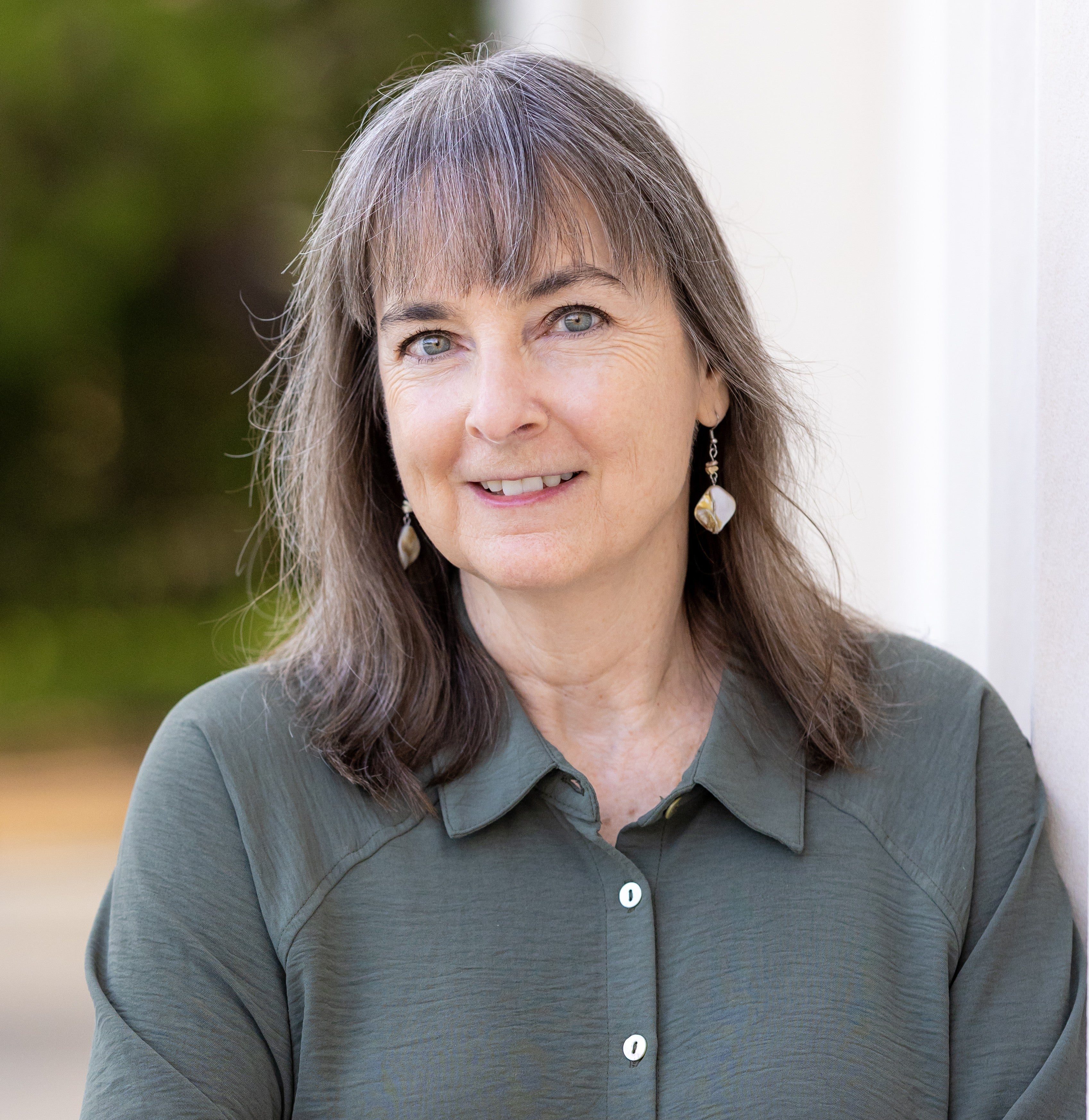
Pamela R. Owen
Associate Director
Texas Science & Natural History Museum
Pamela R. Owen is Associate Director of Texas Science & Natural History Museum, where she oversees education, exhibits and collections. She is a mammalogist, vertebrate paleontologist and science educator, providing K-16+ specimen-based public outreach and education programs. Before taking on the role of Associate Director, Owen served as the museum’s Senior Biodiversity/Paleontology Educator and manager of the vertebrate paleontology collections. She received a BA and MS in Biology from California State University, Long Beach, and a Ph.D. in geological sciences from The University of Texas at Austin. Owen’s research has focused on carnivorans, including badgers, black-footed ferrets, coyotes and saber-toothed cats. She provides annual training in mammalogy for several chapters of the Texas Master Naturalists.
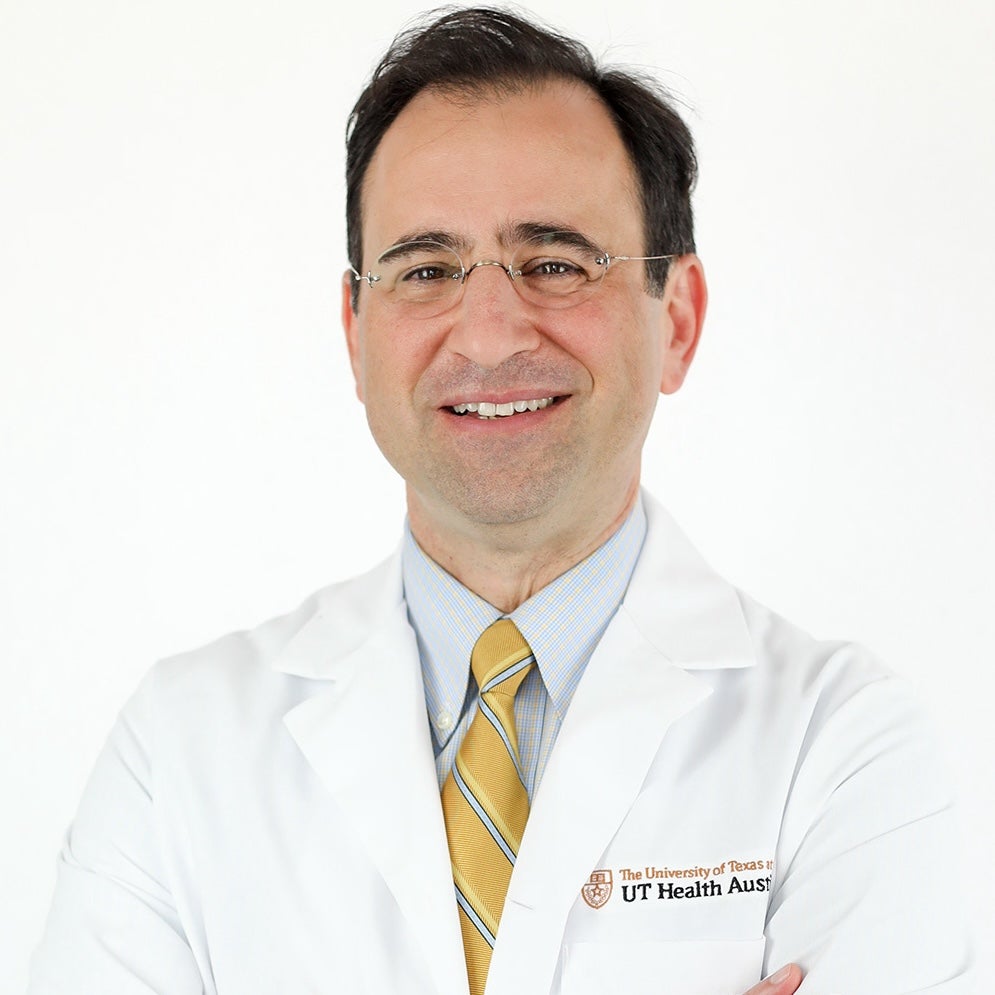
David Paydarfar
Professor & Chair
Department of Neurology, Dell Medical School
David Paydarfar, M.D., leads the Mulva Clinic for the Neurosciences at Dell Medical School, where he develops sensor technologies and machine-learning tools to detect early physiological shifts that may signal neurological dysfunction long before symptoms appear. His work aims to shift clinical care from a reactive to a proactive approach by forecasting risk and intervening early to prevent or slow neurological decline.
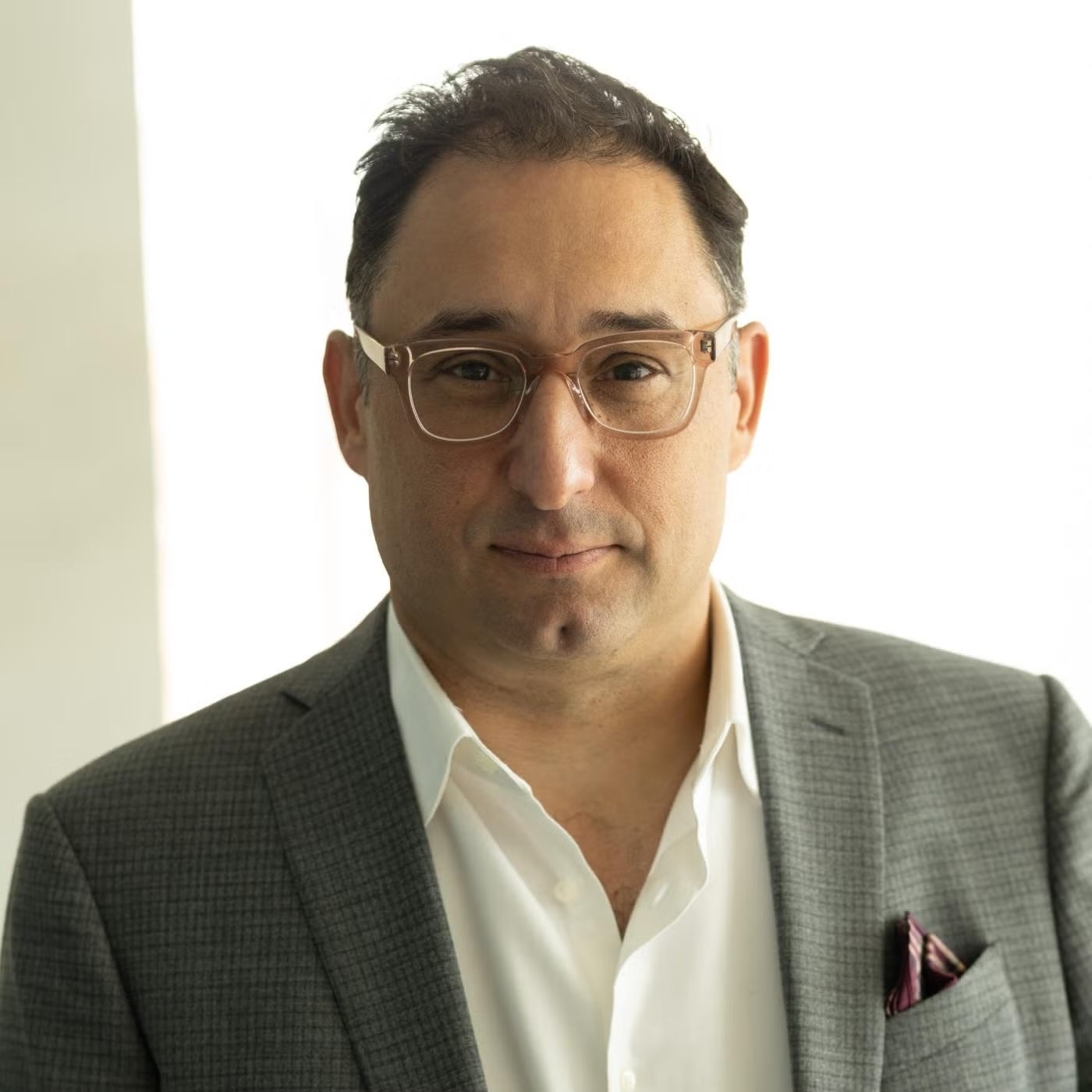
Steven Phelps
Professor
Department of Integrative Biology, UT Austin
Steven Phelps is the recipient of numerous awards, including a Guggenheim Fellowship and a Radcliffe Fellowship. He received his Ph.D. from The University of Texas in 1999, with pre-doctoral fellowships from the Smithsonian Tropical Research Institute (STRI) and the National Institutes of Health. As a postdoctoral scholar, he was a fellow at STRI and at the NSF Center for Behavioral Neuroscience in Atlanta. He was a faculty member at the University of Florida from 2002-2010, and joined UT Austin in 2010. He is currently a professor of integrative biology; the director and co-founder of the Center for Brain, Behavior and Evolution; and involved with UT graduate programs in Ecology, Evolution and Behavior, Cell and Molecular Biology, Neuroscience and Psychology. His lab has been funded by the National Science Foundation, National Institutes of Health and National Geographic to support research related to social cognition, perceptual scaling and brain size, signal detection and information theory, neural network models, the evolution of gene regulation, epigenetics and transcription, sexual selection, human evolution and population genetics. He also likes softball, good writing and old country music.
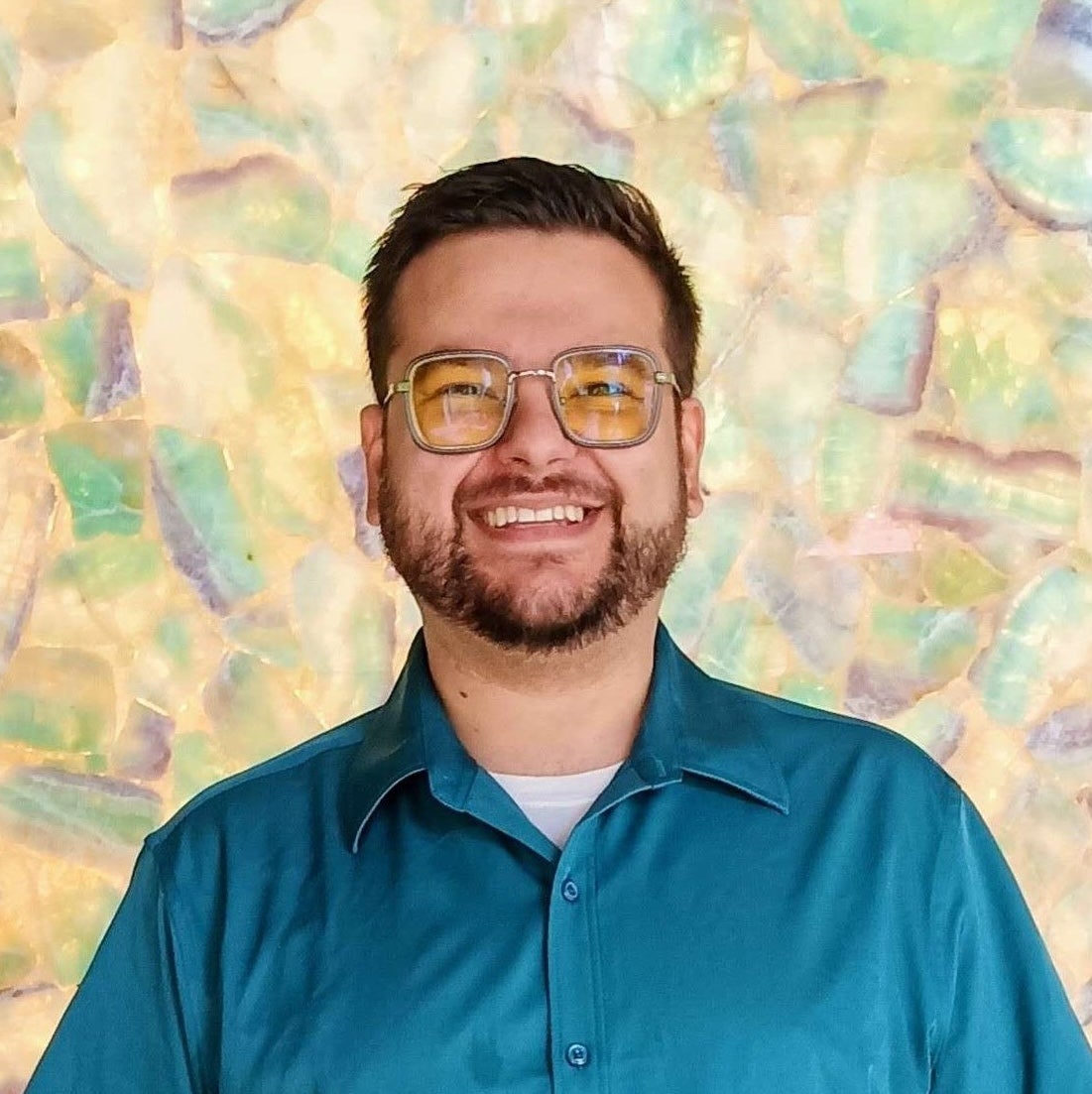
Saul Rivera
Online Programs Coordinator
McDonald Observatory
Saul Rivera graduated from The University of Texas at Austin in 2018 with a bachelor’s degree in astronomy and a minor in Spanish. He joined the McDonald Observatory’s Visitors Center team in July 2019, where he works as a public programs specialist and assists in teaching astronomy to the general public, both in person and virtually.
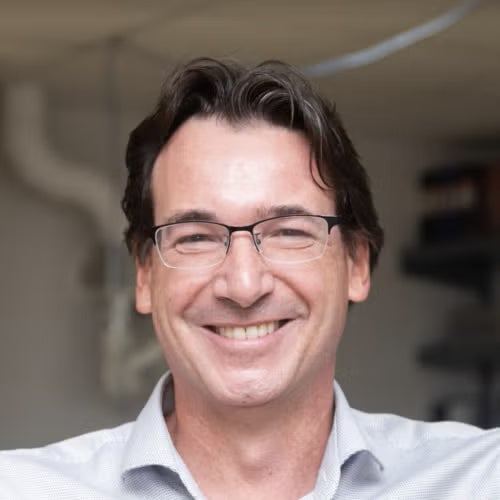
Luis Sentis
Professor
Department of Aerospace Engineering and Engineering Mechanics, UT Austin
Luis Sentis is a professor at The University of Texas at Austin and currently directs the Amazon Science Hub. He recently completed a term as the chair of the University's Good Systems initiative, which works to ensure AI technologies benefit society. His technical foundation was built at Stanford University, where he earned his Ph.D. and M.S. in Electrical Engineering. His research in the Human-Centered Robotics Laboratory specializes in whole-body control and the development of high-performance humanoid robots. He frequently collaborates with sociotechnical experts to understand how these systems interact with human communities. Luis is also an entrepreneur as the founder and CEO of AIVE AI Systems and a co-founder of Apptronik. He leads the Flare-X team in the XPRIZE Wildfire competition and spent years working with NASA Johnson Space Center on the Valkyrie humanoid robot. He remains dedicated to the scientific pursuit of robotics and the practical challenge of bringing them into everyday use.

Deirdre Shoemaker
Professor
Department of Physics, UT Austin
Deirdre Shoemaker is a professor of physics and director of the Center for Gravitational Physics in the Weinberg Institute at The University of Texas at Austin. She received her B.S. in physics, astronomy and astrophysics from the Pennsylvania State University and her Ph.D. in physics from The University of Texas at Austin. She was a postdoctoral fellow at Penn State and Cornell University before joining the faculty at Penn State in 2004. She moved to the School of Physics at Georgia Tech in 2008 and to UT in 2020. She has won the NSF Career award and was part of the Breakthrough Prize given to the Laser Interferometer Gravitational-Wave Observatory (LIGO) Scientific Collaboration. She has served on the Astronomy and Astrophysics Advisory Council, is a fellow of the American Physical Society and has held several elected roles in APS Divisional of Gravitational Physics. She was instrumental in the formation of the newly rebooted Laser Interferometer Space Antenna (LISA) Consortium. Her current favorite activity is being a member of the LISA science team.
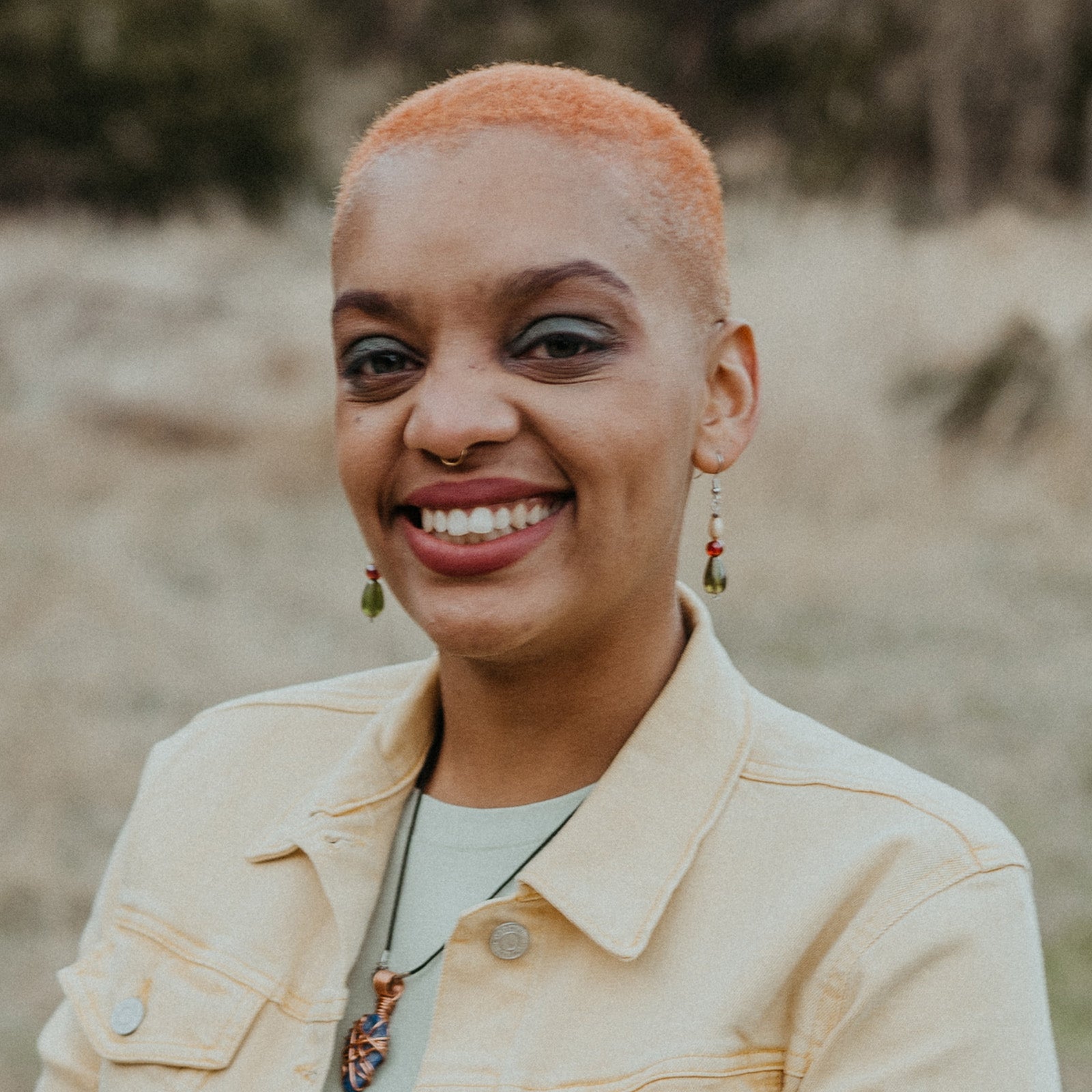
Jaye Smittick
K12 Education Programs Coordinator
McDonald Observatory
Jaye Smittick is the K12 Education Programs Coordinator at McDonald Observatory. They live and work out in far west Texas under the beautiful dark skies. Jaye is a passionate educator who enjoys bringing astronomy to learners of all ages.
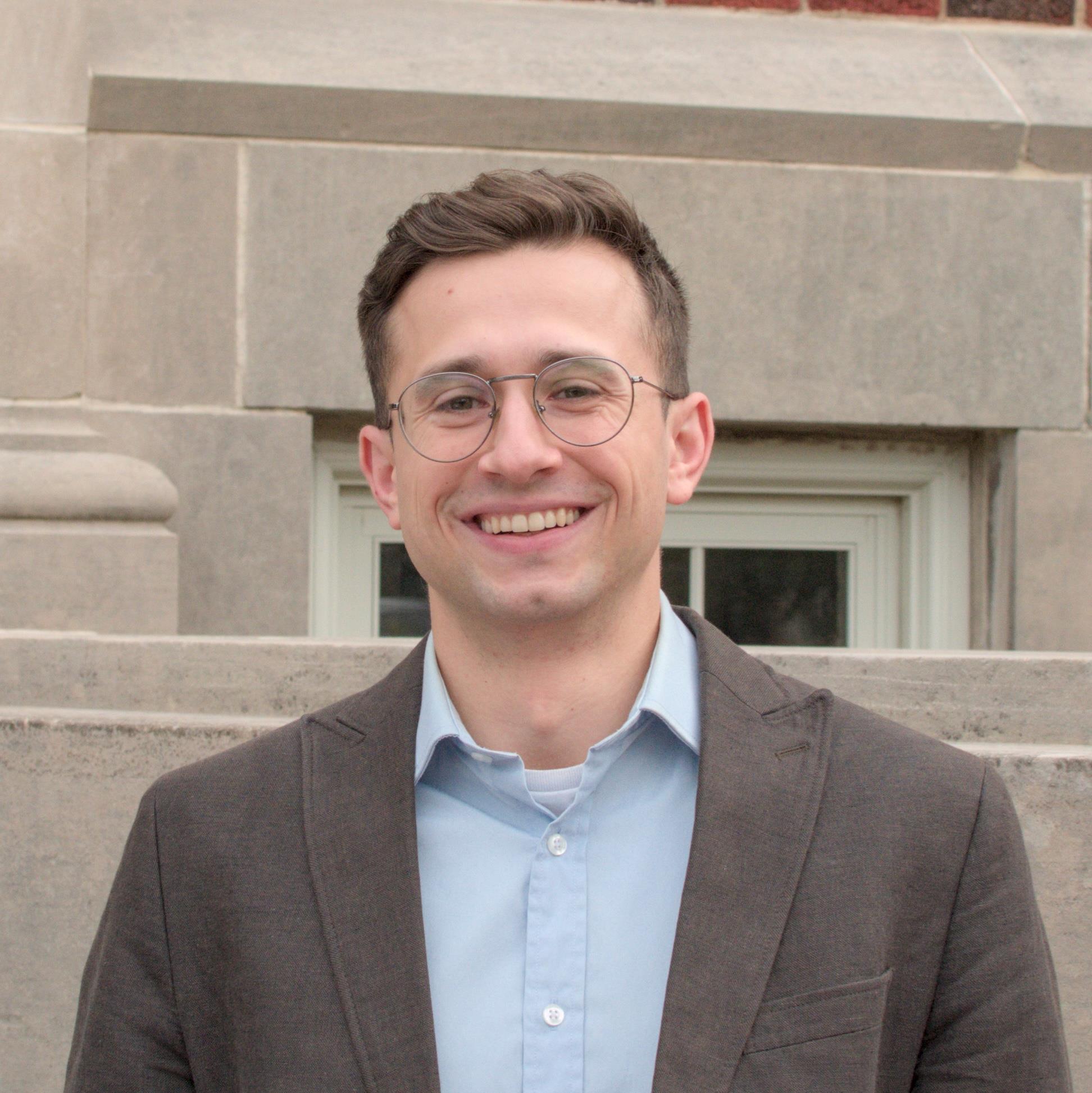
Elias Stengel-Eskin
Assistant Professor,
Department of Computer Science, UT Austin
Elias Stengel-Eskin is an assistant professor of computer science at The University of Texas at Austin. His research spans artificial intelligence, natural language processing and computational linguistics, and focuses on developing AI agents that can intelligently communicate and collaborate with people and each other. This includes work on multi-agent communication and collaboration, converting language to action, grounding language to vision and handling uncertainty, ambiguity and underspecification. Before joining UT Austin, he was a postdoctoral research associate at the University of North Carolina, Chapel Hill. He received a Ph.D. in computer science in 2023 from Johns Hopkins University and a B.A. & Sc. in cognitive science from McGill University in 2018.
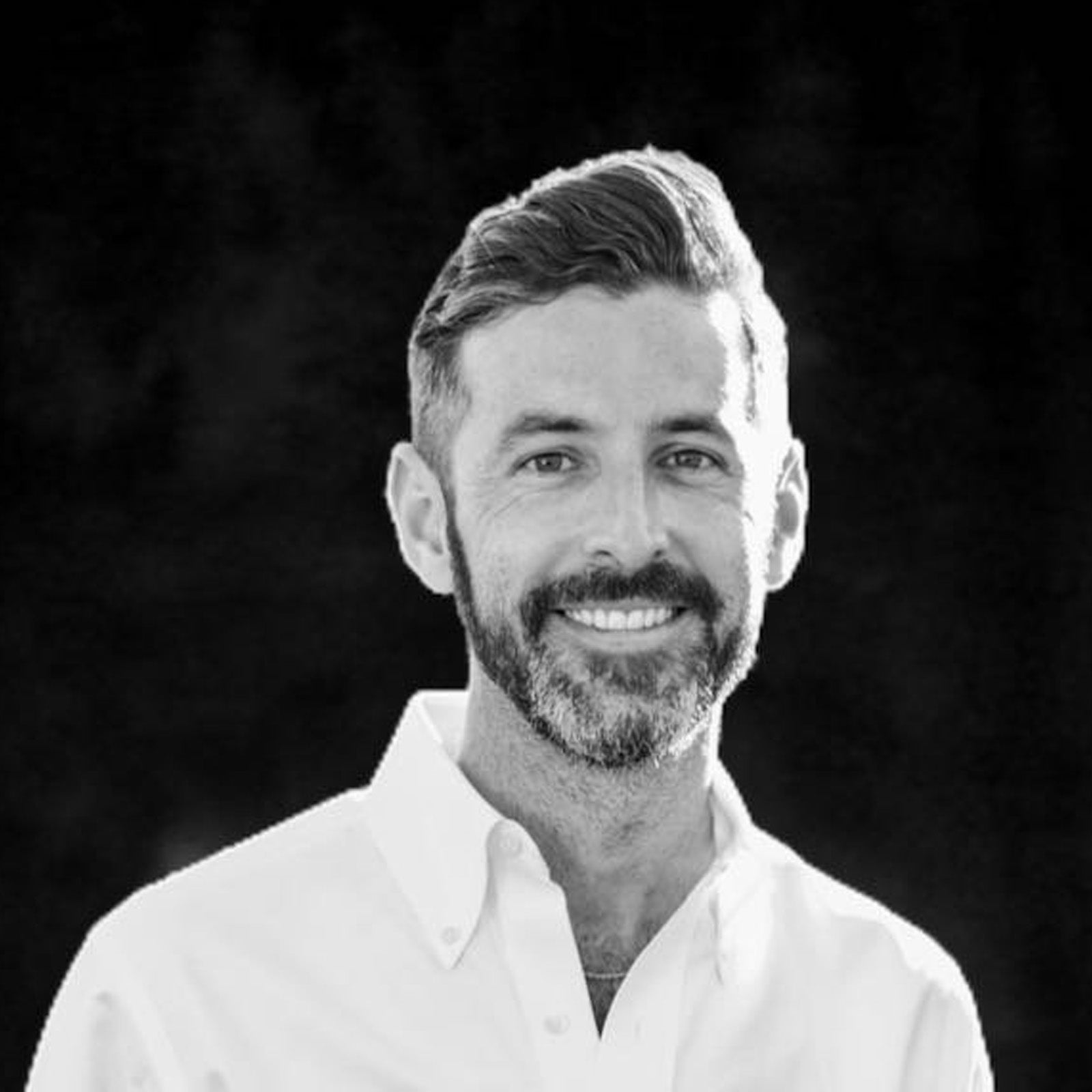
Josh Taylor
Research Associate
UT Austin Oden Institute and CosmicAI Institute
Joshua J. Taylor is a postdoctoral fellow in the Department of Astronomy at The University of Texas at Austin, a member of the Scientific Machine Learning group at the Oden Institute for Computational Engineering and Sciences and part of the Observable Universe initiative within CosmicAI. His research advances unsupervised machine learning methods for unbiased, data-driven exploratory and summary analysis of astrophysical data, particularly data from observations and simulations of the star formation process. Taylor received his Ph.D. in statistics from Rice University.

The Dean’s List
Austin-Based Band
UT Austin
The Dean’s List is a popular Austin-based band featuring five top administrative leaders from UT Austin: Bobby Chesney (School of Law Dean; lead guitar), Charles R. Martinez (College of Education Dean; vocals and rhythm guitar), Allan Cole (Steve Hicks School of Social Work Dean; bass), Richard Reddick (Senior Vice Provost for Undergraduate Education; keyboard & additional rhythm sections) and Samuel Poloyac (College of Pharmacy Dean; drums). Known for energetic live shows, they keep audiences engaged with covers and their unique blend of styles, ranging from rock, funk, blues and country to blending originals with popular hits.
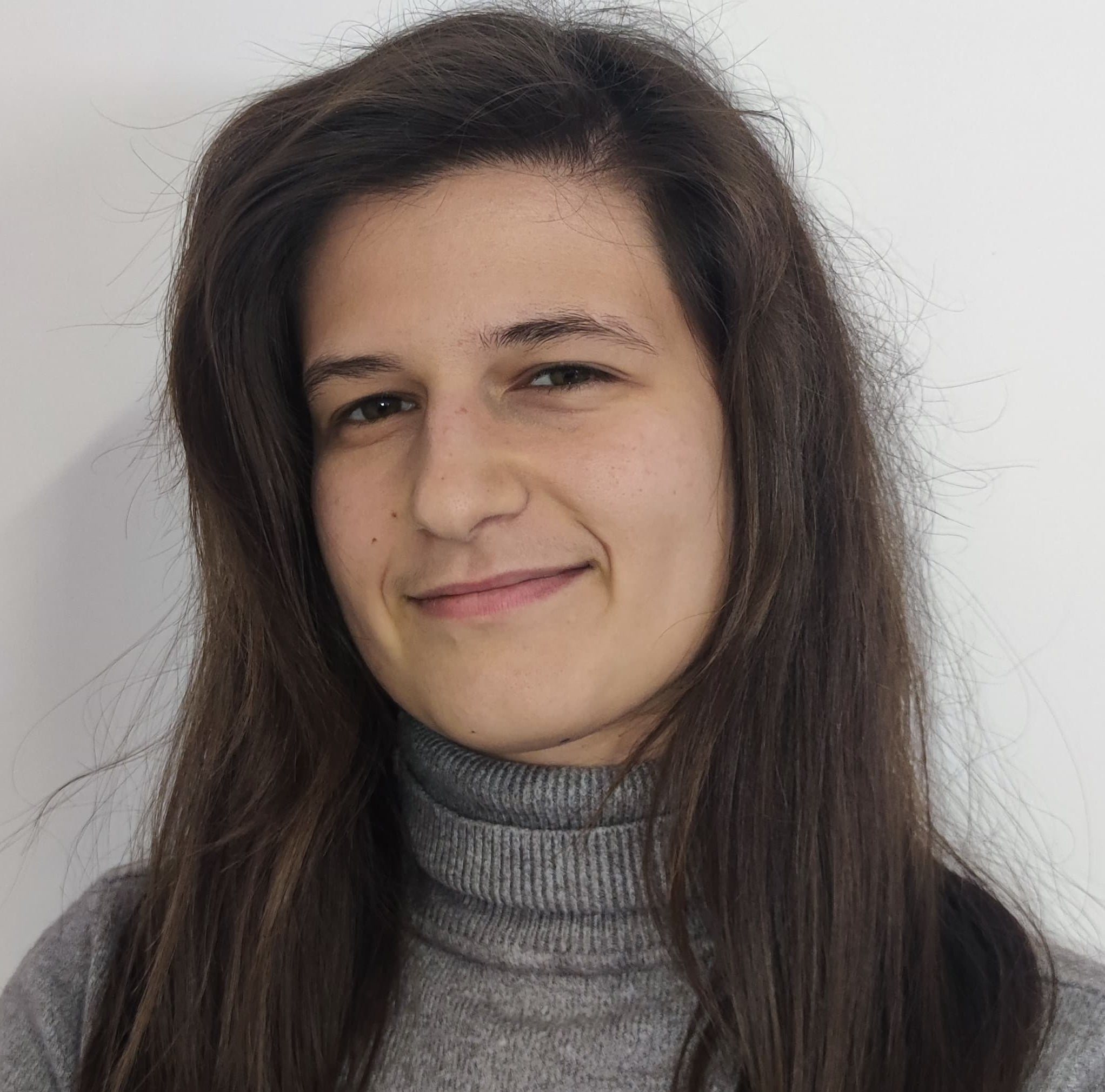
Alessandra Venditti
Postdoctoral Research Fellow
Cosmic Frontier Center, UT Austin
Alessandra Venditti is a Cosmic Frontier Center Prize research fellow at The University of Texas at Austin. Her research is focused on the formation and evolution of early galaxies, which she has studied through cutting-edge cosmological simulations, analytical and semi-analytical models, with the goal of guiding the search for the first stars.
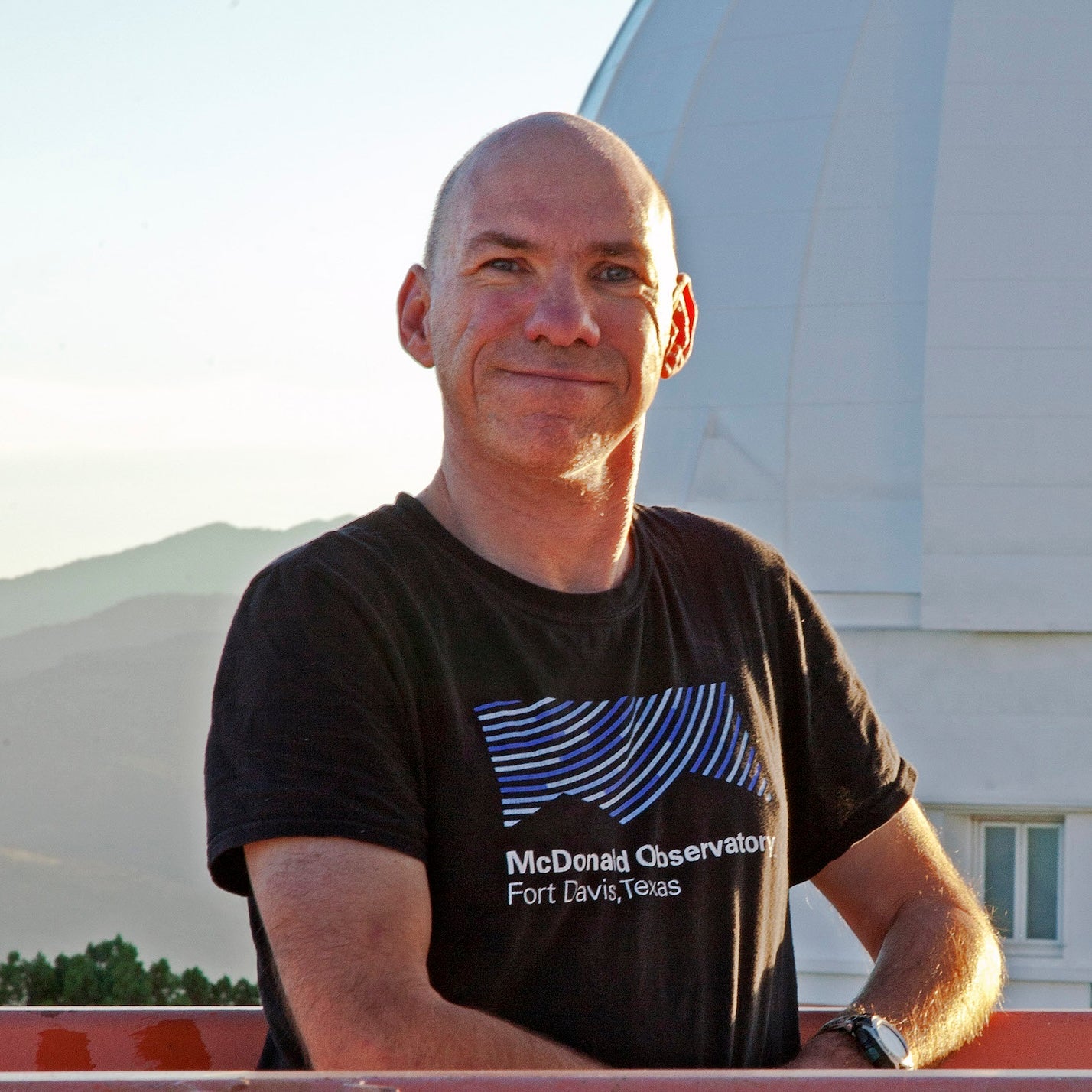
Joe Wheelock
Public Programs Specialist
McDonald Observatory
Joe Wheelock is a public programs specialist at the McDonald Observatory. He grew up on a farm near Boonville, Indiana, and has had a keen interest in astronomy since childhood. At the age of twelve, he joined the Evansville Astronomical Society and later served as the club’s secretary, historian, and program chair. He also worked at the Evansville Museum of Arts and Sciences conducting planetarium programs. He has been with the McDonald Observatory since 1999.
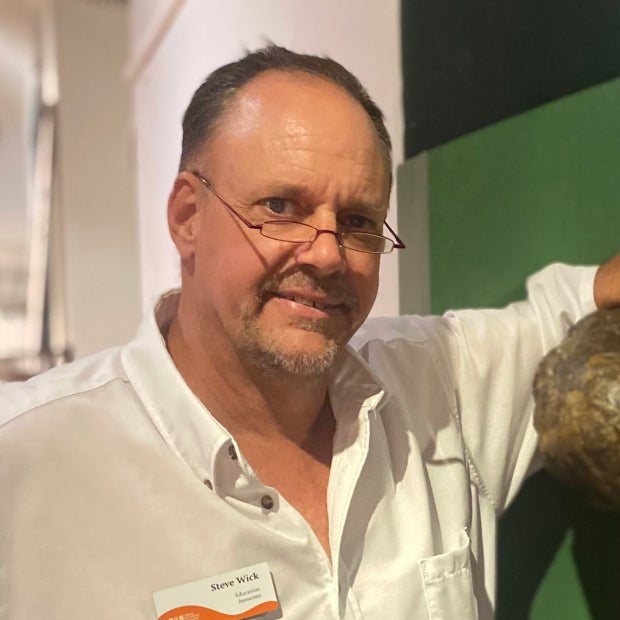
Steve Wick
Education Associate
Texas Science & Natural History Museum
Steve Wick is a UT Austin graduate and former park ranger and paleontologist at Big Bend National Park. He is currently a research associate with UT Austin’s Texas Vertebrate Paleontology Collections and has spent nearly 25 years studying Late Cretaceous vertebrate fossils from West Texas, with a particular fondness for dinosaurs. His research focuses on microvertebrate fossils to reconstruct ancient faunas and ecosystems, and he enjoys sharing his passion for paleontology with visitors of all ages.
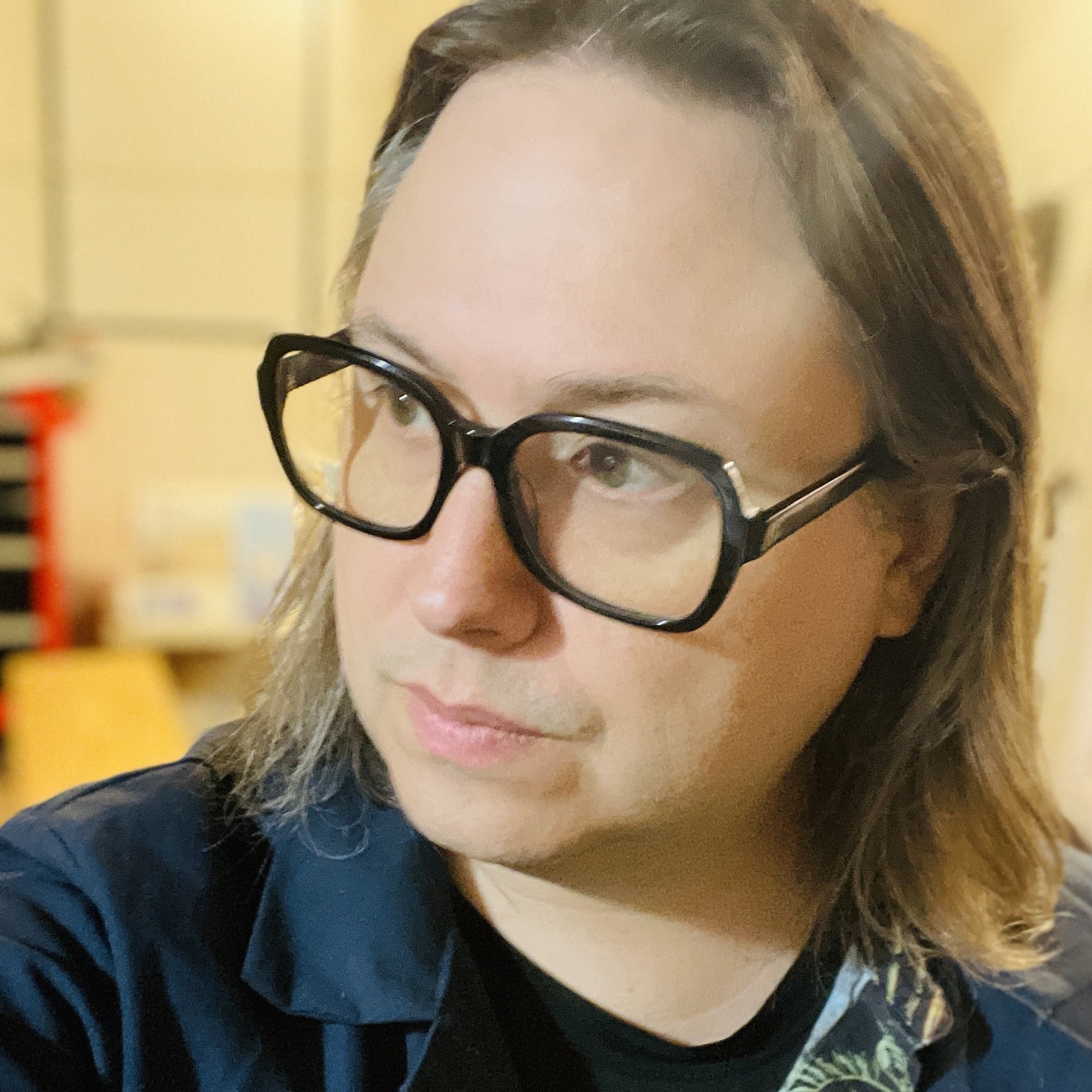
Wiley Wiggins
Actor
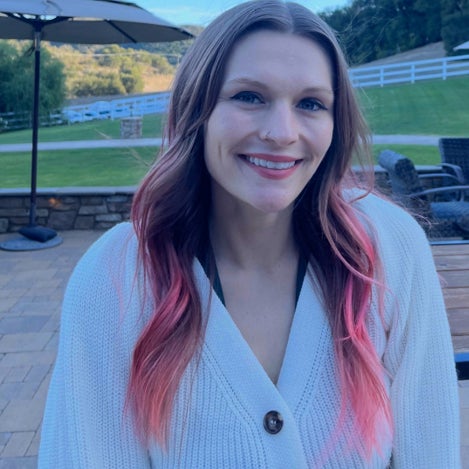
Nicole Wonderlin
Postdoctoral Researcher
Digital Ecology Lab, UT Austin
Nicole Wonderlin is a postdoctoral researcher at The University of Texas at Austin, working with Tim Keitt of the Department of Integrative Biology in the Digital Ecology Lab. Her research centers on understanding how we can use technological innovation to understand how ecological communities and ecosystem processes are responding to human modification of the environment. As a postdoc, Nicole has built a network of environmental sensors across the state of Texas, using bioacoustics analysis to understand changes in local bird communities. Before coming to Texas, Nicole received her Ph.D. in entomology and ecology at Michigan State University, where she developed a specialized camera system to compare diurnal and nocturnal pollinator communities in urban city environments.

Diana Zamora-Olivares
Associate Professor of Practice
UT Austin Freshman Research Initiative
Diana Zamora-Olivares is co-director of the UT Wine Initiative and an associate professor of practice at The University of Texas at Austin. She earned her Ph.D. in organic chemistry in 2014 under UT’s Eric V. Anslyn, where she developed biochemical sensing tools and advanced multiplexed kinase quantitation for cancer biomarker research. Today, her expertise focuses on creating sensor technologies and analytical methods to classify wines and understand grapevine chemistry, bridging her background in chemical sensing with applications in viticulture and enology. Through the Freshman Research Initiative and the UT Wine Initiative, Dr. Zamora-Olivares promotes academic-industry partnerships that share knowledge and complement emerging technologies. These collaborations provide Texas wineries with a platform to leverage scientific data for practical applications.